
As BTS’s long-awaited full-group return draws closer, conversation in Korea has shifted from excitement to logistics. With the group scheduled to perform at Gwanghwamun Square on March 21, 2026, according to multiple local media reports, authorities are preparing special safety and transportation measures amid expectations that crowds could reach into the hundreds of thousands across central Seoul.
The scale of the event has quickly turned it into more than just a concert. For the city, it represents a rare situation in which a major civic space may temporarily transform into a massive cultural venue—bringing with it both opportunity and risk.
A Downtown Concert With Unusual Challenges
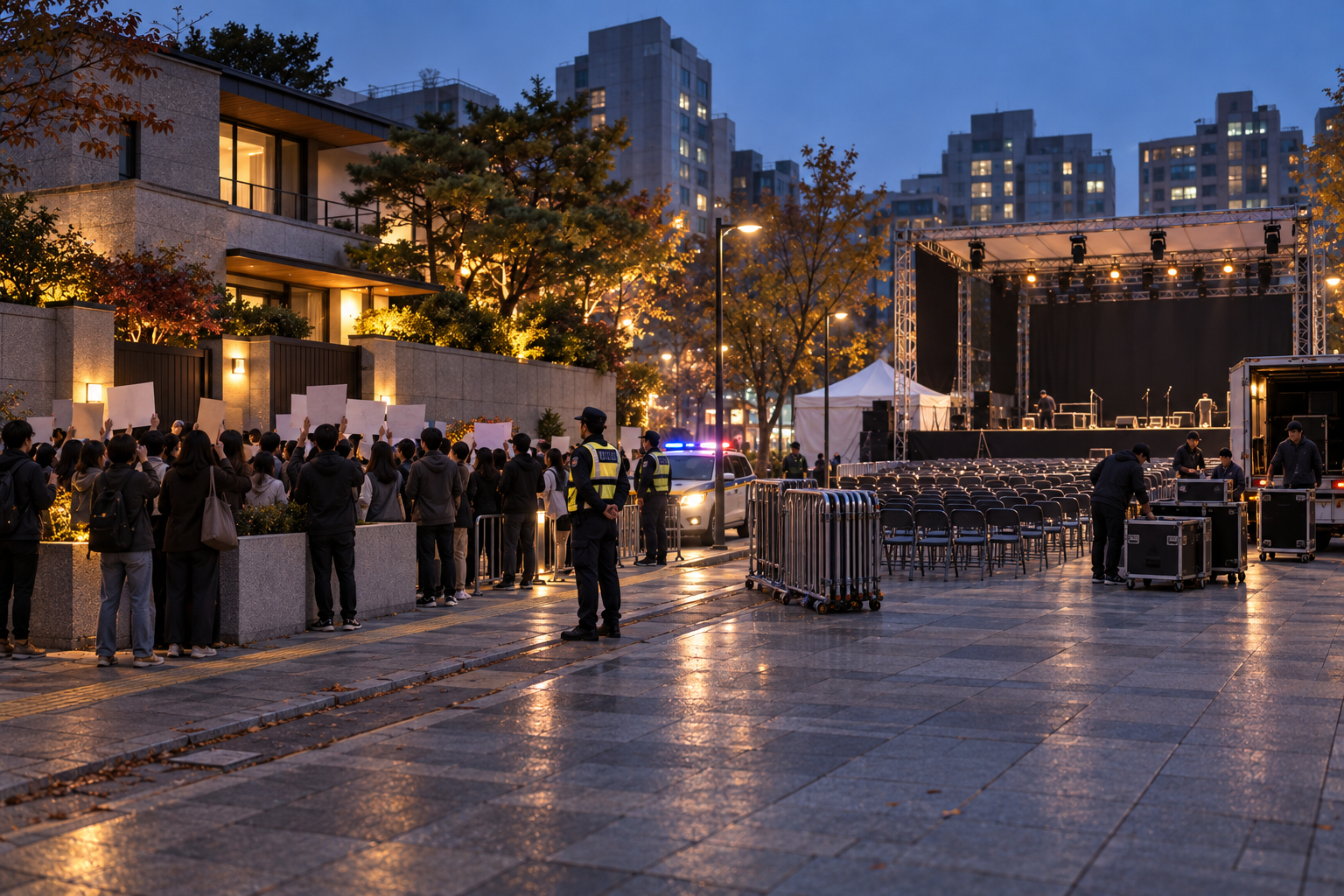
Unlike stadium shows held on the outskirts of the city, Gwanghwamun Square sits at the crossroads of government offices, tourist landmarks, business districts, and major transit lines. While tens of thousands of fans are expected near the main stage, officials anticipate that crowds will naturally spread outward, with people gathering across nearby plazas and streets to follow the event via large outdoor screens.
This kind of open, decentralized audience raises concerns about crowd density, pedestrian flow, and emergency access—issues that typically do not arise in closed concert venues.
Transit Adjustments and Crowd Management Measures
To avoid dangerous bottlenecks, transportation authorities are reportedly reviewing several temporary measures. Among the options under consideration, according to reporting, are:
- Subway pass-through operations at nearby stations during peak congestion
- Bus route detours to reduce surface traffic around the square
- Temporary limits on shared bikes and electric scooters to keep walkways clear
The goal is to minimize overlap between everyday city traffic and large volumes of concertgoers, particularly during arrival and dispersal hours.
Hotel Prices Become a Parallel Issue
Beyond safety and transit, the event has also reignited debate over accommodation prices in central Seoul. With fans—especially international visitors—booking early, room rates around the city center have reportedly surged well above typical levels for the season.
This has drawn attention not only from fans but also from residents and consumer advocates, raising questions about fairness and oversight during major cultural events. Consumer protection authorities are said to be monitoring the situation closely, with plans to respond to excessive pricing or unfair practices.
When a Comeback Becomes a Citywide Event
In Korea, it is not unusual for BTS-related news to ripple outward—but this situation highlights just how wide those ripples can go. A single performance has sparked discussions about public safety, tourism management, consumer protection, and urban planning.
As preparations continue, the focus remains on ensuring that the event is remembered for celebration rather than disruption. For fans, residents, and the city alike, “BTS at Gwanghwamun” is shaping up to be not just a comeback stage, but a defining moment in how Korea manages large-scale cultural gatherings.
Image: Gwanghwamun Square in Seoul, photo by Yoshio Kohara/ Wikimedia Commons (CC BY 4.0)



Leave a Reply