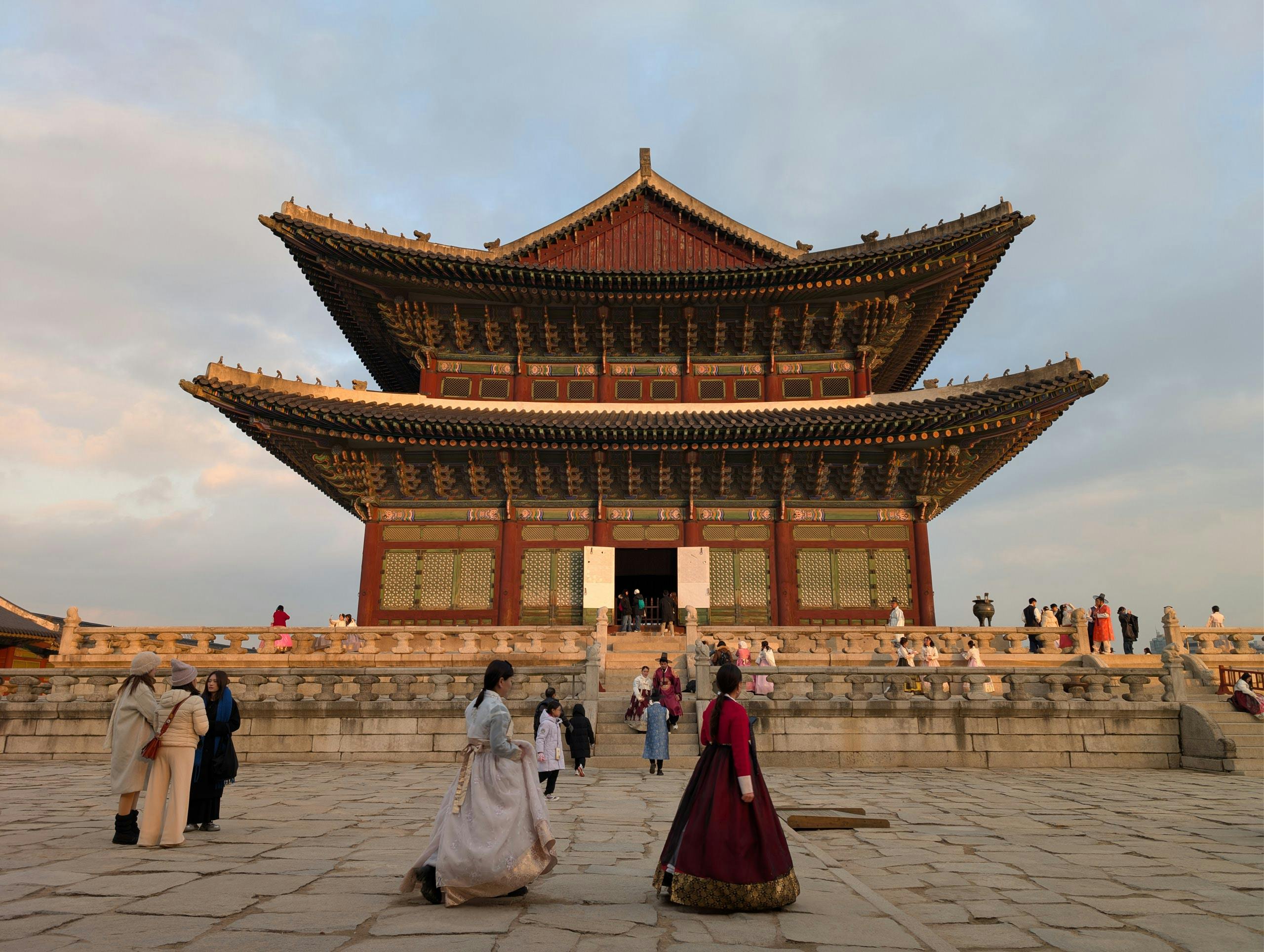
With foreign arrivals hitting record highs in early 2026, local governments are offering cash incentives and festival-linked perks to pull international travelers beyond Seoul.
South Korea’s tourism boom is entering a more competitive phase. The question is no longer only how many foreign visitors the country can attract, but where those visitors go once they arrive. Increasingly, regional governments are trying to shape that answer themselves.
That shift comes at a moment of strong momentum for inbound travel. Korea welcomed a record 4.76 million foreign visitors in the first quarter of 2026, up 23 percent from a year earlier. March alone drew 2.06 million arrivals, another record. Those numbers have strengthened the case for local governments to move faster and more directly in pursuit of tourism spending.
Instead of relying solely on national branding or Seoul-centered itineraries, cities and counties are beginning to market themselves with cash incentives tied to festivals, cultural events and overnight stays. What was once a local celebration is increasingly being packaged as an inbound tourism product.
Cheonan is one of the clearest examples. Around the 2026 Cheonan K-Culture Expo, the city is offering financial incentives to travel agencies that bring in foreign group tourists. The program is structured to reward not just attendance, but deeper local engagement, with higher payouts tied to overnight stays and added bonuses when itineraries include paid attractions in the area. The goal is straightforward: turn festival traffic into hotel bookings, restaurant spending and broader regional consumption.
Hampyeong County is using a similar approach for the Hampyeong Butterfly Festival. There, operators bringing in qualifying foreign visitor groups can receive rebates tied to admission fees. The mechanics may be smaller in scale, but the intent is the same. Regional authorities are no longer treating festivals only as local cultural fixtures. They are treating them as tools for tourism capture.
The broader travel data helps explain why. More foreign travelers are moving beyond the Seoul metropolitan area, and spending outside the capital region is rising with them. Regional airports have seen stronger international traffic, and provincial destinations are capturing a bigger share of visitor activity. That makes tourism no longer just a national success story, but a regional economic opportunity.
This also fits the wider direction of Korea’s tourism policy. The government has been elevating high-profile local festivals and promoting them as internationally competitive attractions, with an emphasis on longer stays, stronger foreigner-friendly programming and more recognizable regional brands. The current round of local incentives takes that logic one step further. Rather than simply hoping tourists branch out, local governments are starting to pay to make it happen.
The significance of this shift is larger than any single expo or spring festival. It signals a more aggressive and more localized tourism strategy, one that treats foreign visitor flows as something to be shaped, redirected and monetized at the regional level. In that model, K-culture is still the draw, but the real target is economic spillover: more nights booked, more tickets sold and more spending kept outside Seoul.
If the trend continues, more local governments are likely to roll out similar programs around festivals, seasonal events and cultural attractions. The competition for foreign tourists is no longer confined to countries. In Korea, it is increasingly becoming a competition among regions.
Korea is not just trying to attract more visitors. It is trying to decide where they go next.


Leave a Reply