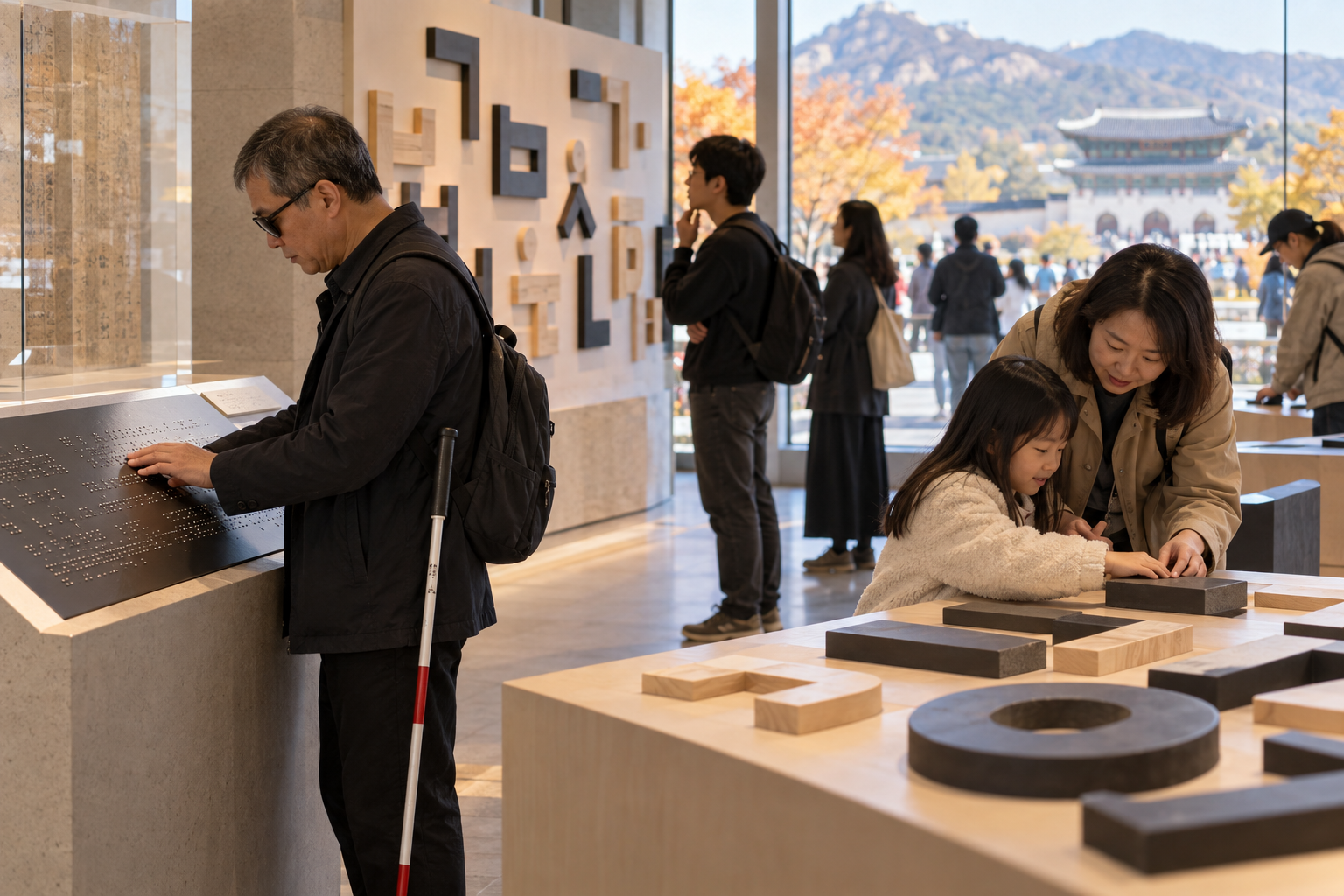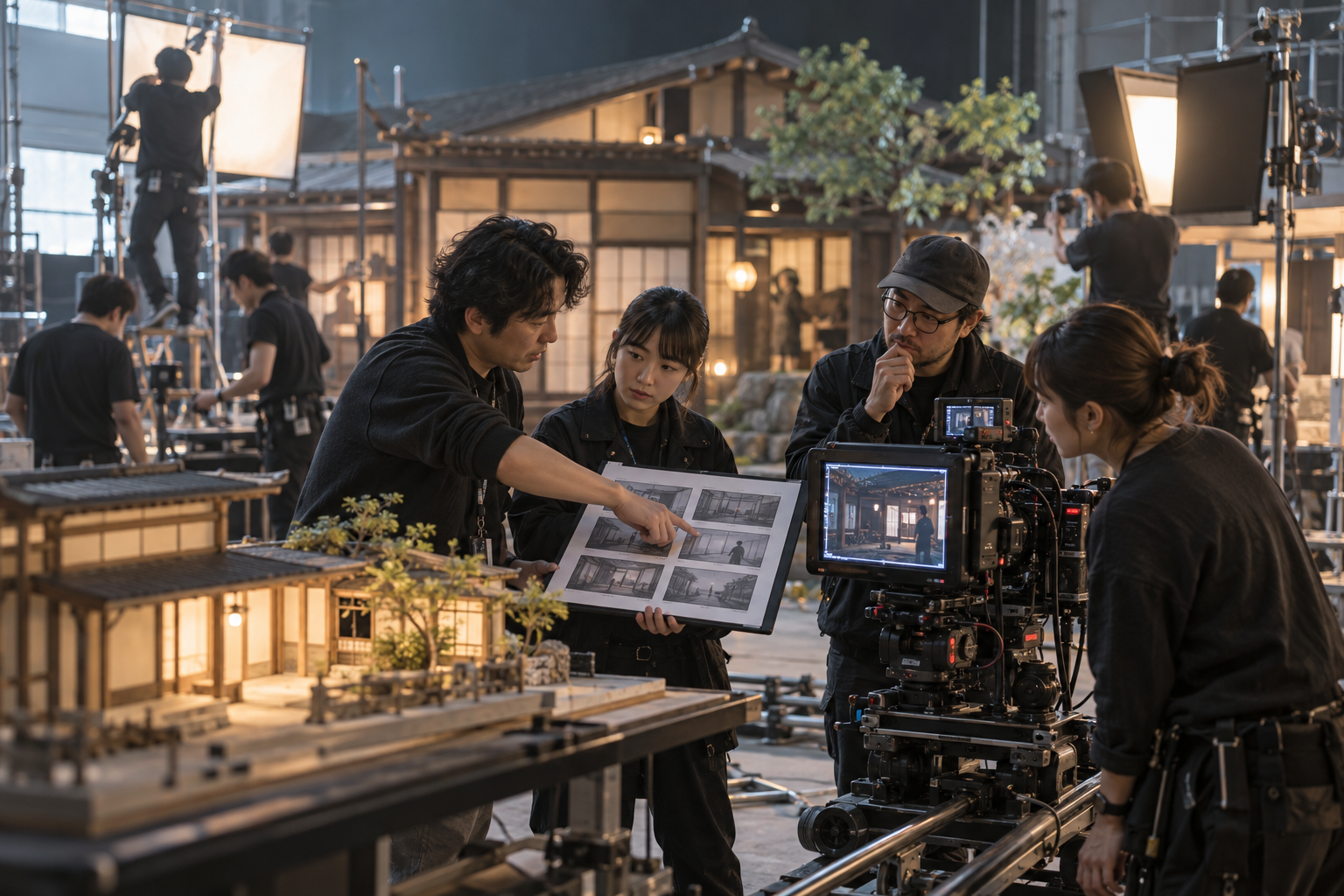
KOCCA’s four-day program in Tokyo put policy officials, producers and 15 Korean companies in the same room. The shift is from exporting finished titles to sharing development risk.
Korean content companies have spent years treating Japan as a large and nearby buyer. A four-day program in Tokyo tested a more demanding relationship: making projects together before there is a finished title to sell.
The Korea Creative Content Agency held 한·일 콘텐츠 공동제작 위크 2026 (Korea–Japan Content Co-Production Week 2026) from September 29 through October 2 at Content Korea Lab Tokyo in Toranomon. The program combined a policy forum, company presentations, business meetings and a production workshop.
Its premise was explicit. KOCCA described the desired move as one from a buying-and-selling relationship to a making-together relationship.
That sounds diplomatic, but it changes where risk sits. A licensing deal begins after development has produced something marketable. Co-production begins earlier, when partners must agree on concept, rights, financing, production responsibility and the markets a project is meant to reach.
The program linked policy to production
The opening forum paired KOCCA’s policy research leadership with Japan’s Ministry of Economy, Trade and Industry. It examined the two countries’ support systems and the direction of their content policies.
The rest of the week moved closer to transactions. Fifteen companies based at CKL Tokyo presented their work and held business consultations. The closing workshop addressed co-production through the people expected to carry it out, with interpretation and online access extending participation beyond the room.
This structure is more useful than a conventional showcase. Policy support, company discovery and practical production questions were treated as connected stages rather than separate events.
Public agencies often announce international cooperation at a high level while companies are left to solve incompatible contracts, schedules and approval systems. Bringing those layers into one program does not remove the friction, but it makes the friction visible before a project begins.
Japan offers scale, but not a simple export route
Japan is attractive to Korean companies because it combines a large domestic market with deep experience in manga, animation, games, music and character licensing. It also has production committees, publishers, broadcasters and merchandising networks that can extend an intellectual property across formats.
Those strengths do not make entry automatic. Japanese media industries have their own gatekeepers, development practices and expectations about long-term rights. A Korean title that performs well at home is not necessarily ready for local adaptation, and a successful Japanese partner may want influence much earlier than the distribution stage.
Co-production can solve part of that mismatch. Local partners contribute market knowledge and relationships while Korean companies bring concepts, production capacity and a growing record of international adaptation.
It can also create new problems. Shared development complicates ownership. Decisions about characters, format, language, casting and derivative rights can become more consequential than the original production budget.
Fifteen companies are a test of infrastructure
The participation of 15 CKL Tokyo resident companies matters because the business center is designed as continuing infrastructure, not a temporary national pavilion. A trade fair can create introductions; a local base can sustain the follow-up needed to turn an introduction into a contract.
That is especially important for smaller content companies. Korea’s industry has many firms with valuable intellectual property but limited staff for foreign business development. A company may be able to produce a webtoon, animation concept, game or character property without having an in-house legal and sales operation in Japan.
A shared center lowers some of those costs. It gives companies a place to test presentations, meet potential partners and learn how local negotiations work. The value will not be proved by the number of meetings alone. It will be proved by whether projects move into option agreements, development plans and production.
Co-production is becoming the export policy
The Tokyo week fits a larger change in Korean content policy. KOCCA’s new strategy emphasizes intellectual-property expansion from planning through commercialization and overseas growth. Recent programs have also connected creators with buyers earlier, before an idea becomes a finished screen work, game or publication.
This reflects the economics of the market. Finished-content sales generate revenue, but ownership and adaptation rights determine how much value a company retains when a story moves across formats or countries.
Co-production is one way to enter that value chain earlier. It can help a Korean company build for Japan and other markets from the start rather than retrofitting a domestic title after release.
The danger is that “global” development becomes a reason to flatten a project. If every early partner asks for familiar genre signals and low-risk characters, co-production can produce work that travels easily but says little.
The better model uses local knowledge to sharpen a project rather than neutralize it. That requires partners capable of arguing about audience, format and cultural specificity without treating any one market as the default.
The next measure is a project, not a forum
Korea–Japan Content Co-Production Week created a useful sequence: policy, presentations, meetings and workshop. Its language also identified the correct ambition. The relationship should not end with one country supplying a title and the other supplying a storefront.
The result, however, cannot be measured by attendance or consultation totals. Co-production is real only when companies commit money, rights and staff to the same work.
The 15 resident companies in Tokyo now provide the test. If the infrastructure is working, the next announcement should name a project, explain the rights structure and show what each partner is making. Until then, the week is a serious opening rather than an outcome.