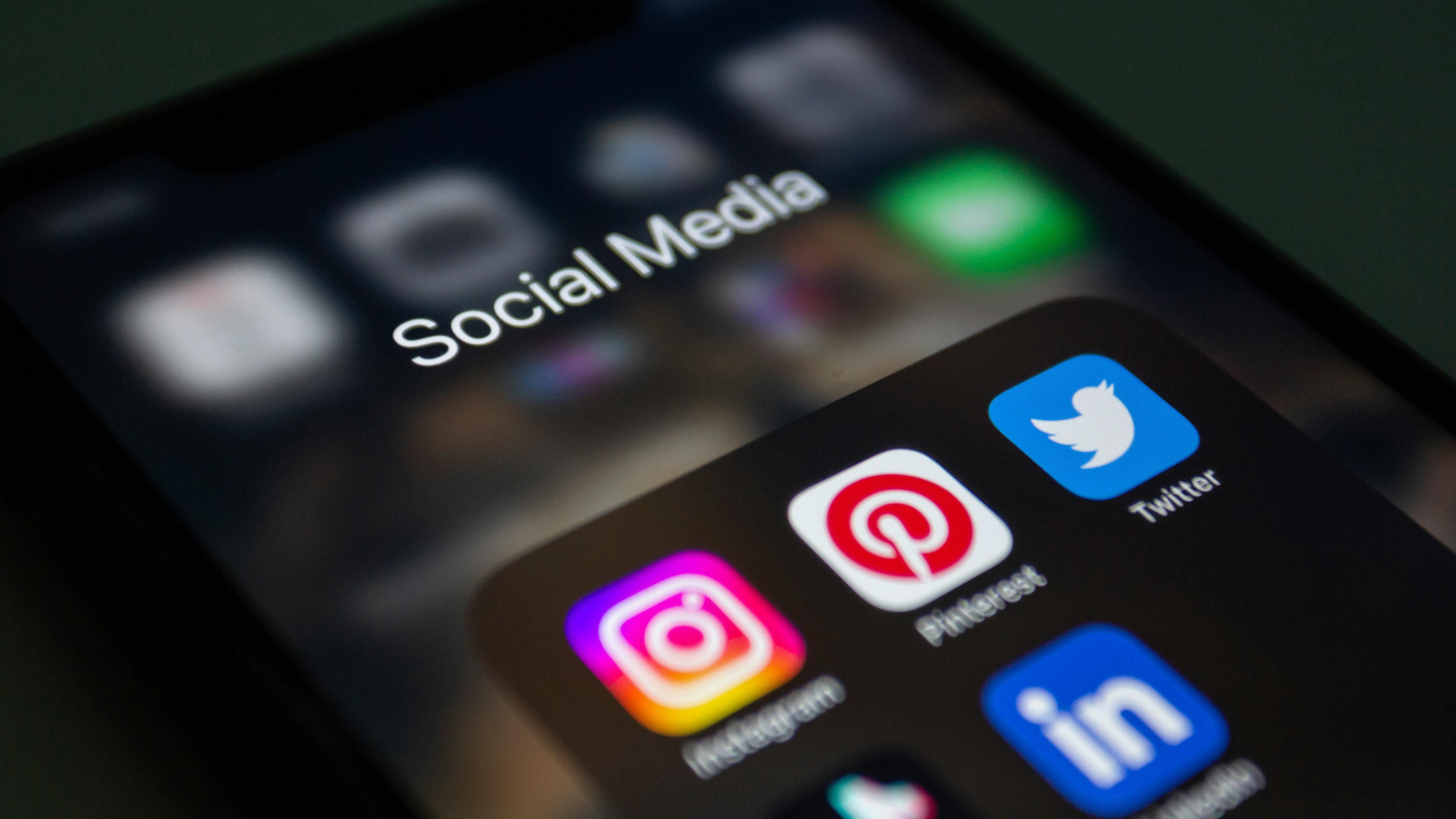
South Korea’s debate over youth social-media use is no longer sitting at the edges of culture-war commentary or parental advice columns. It is moving into the center of formal policy. A bill introduced in the National Assembly on March 11 by Rep. Lee Yeon-hee and 14 other lawmakers would define social media and recommendation algorithms in law, require platforms to verify users’ ages, clarify that children under 14 need guardian consent to sign up, and restrict automated recommendation systems for users under 19. Korea Herald reported that platforms could be penalized if they fail to verify age, and that algorithm-selected content for minors would be restricted without parental discretion.
What makes this bill notable is not just its age-verification language. Its official summary frames algorithmic recommendation itself as part of the problem. The Assembly text says social-media recommendation systems are designed to maximize users’ attention and time spent, and argues that this structure is worsening youth over-immersion and addiction. In other words, the policy conversation is shifting away from a narrow focus on bad content and toward the architecture of the platform itself: how it keeps minors scrolling, what it serves them next, and whether the state should intervene in that design.
This proposal is not alone. A separate bill introduced on January 26 by Rep. Cho In-cheol and 15 other lawmakers would require larger information-service providers to regularly assess the risks their services pose to youth, take protective measures, and submit annual reports to the broadcasting and media regulator. The same bill would also tighten timelines for removing certain harmful or rights-infringing material, including a 24-hour deletion rule for some categories of information. Together, the two bills show that the discussion is broadening from headline-grabbing bans toward a more systematic model of platform accountability.
The political timing is not accidental. South Korea’s own numbers give lawmakers an easy rationale for action. The Lee bill cites government data putting the youth smartphone overdependence risk group at 42.6 percent. A March 2026 report in Seoul Economic Daily, summarizing Ministry of Science and ICT data, put the 2024 figure at 43.0 percent for ages 10 to 19, the highest among all age groups and part of a multiyear rise linked to short-form content, platform diversification, and the spread of generative AI services. Separately, Korea Times reported that 70.1 percent of Korean teenagers use social media, with about half using it daily.
That is why this issue now travels well beyond politics pages in Korea. Once lawmakers connect minors, addictive design, parental consent, and algorithmic feeds, the topic stops looking like a technical regulatory question and starts reading like a broader social diagnosis. Parents hear a debate about supervision. Teachers hear one about attention and self-control. Students hear one about autonomy and access. Critics of platform power hear a rare attempt to regulate not only what appears online, but the machinery that decides what appears first. In Korea’s high-pressure digital environment, where school, private education, and screen habits already overlap uneasily, that makes youth social-media regulation a cultural story as much as a legislative one.
The global backdrop also matters. Australia’s age-restriction regime, which took effect on December 10, 2025, requires age-restricted social-media platforms to take reasonable steps to prevent under-16s from creating or keeping accounts, with court-imposed corporate penalties that can reach A$49.5 million. Korean lawmakers are not proposing the same model, but the international direction of travel is clear: governments are increasingly treating recommender systems, logged-in account features, and age assurance as linked policy questions rather than separate ones. South Korea’s latest bills fit squarely into that trend.
At the same time, Korea is still in the discussion phase, not at the point of settled national consensus. Korea Times reported in February that the Korea Media and Communications Commission had no “concrete government road map yet” for youth social-media regulation and viewed the issue as one requiring broad social agreement. That caution matters. Korea still remembers the old game “shutdown” policy for minors, introduced in 2011 and later scrapped after criticism that it infringed on rights and failed to solve addiction. The likely path, then, is not an immediate Australian-style prohibition, but a Korean version of gradual tightening: stronger age checks, clearer guardian consent rules, more obligations on platforms, and rising scrutiny of algorithmic recommendation for minors.
What has changed most is not yet the law but the terms of the conversation. In South Korea, youth social-media regulation has become mainstream because the argument is no longer only whether teenagers spend too much time online. It is whether platforms should be allowed to optimize minors’ attention so aggressively in the first place. Once that question enters the National Assembly in explicit legal language, it also enters the everyday culture of parenting, education, and digital life. That is why this story matters now: not because Korea has already chosen a final model, but because the country is increasingly debating youth social-media use as a matter of social design, not just personal discipline.




Leave a Reply