South Korea’s newly expanded weekly Culture Day is not only about cheaper movie tickets or museum perks. It is also an attempt to make culture feel ordinary again — something woven into the middle of the week, and rooted as much in local identity and regional heritage as in Seoul’s major institutions.
There is something quietly appealing about the idea of Wednesday becoming cultural. Not a holiday, not a festival weekend, not an annual burst of excitement — just the middle of the week, softened a little by a museum visit, a discounted film, a library stop, or an evening performance on the way home. Starting April 1, South Korea is turning that idea into policy by expanding its long-running “Culture Day” program from the last Wednesday of each month to every Wednesday, with the Ministry of Culture, Sports and Tourism describing the shift as more than a calendar change: a move from a designated event day into part of the public’s “life rhythm.”
That phrase — life rhythm — may be the most revealing part of the entire announcement. Korea has had Culture Day since 2014, and for years it was largely understood through its most visible rewards: free museum entry, discounted movie tickets, late openings, special performances. Those benefits remain, but the official language around the weekly expansion suggests a broader ambition. The state is not simply offering more discounts. It is trying to normalize the idea that culture belongs in ordinary time — in the workweek, in neighborhood routines, in the recurring tempo of daily life.
The public-facing messaging makes that intention unusually clear. On the regional culture platform, the slogan now reads like an invitation to reshape the week itself: “Wednesday is Culture Weekday” and “Culture becomes everyday life.” From April 1, the program says, Wednesdays are meant to be a day to fill one’s routine with culture, whether through a gallery, a library, a sports facility, or a local program nearby. It is a small but meaningful tonal shift: culture is being sold less as a special treat and more as a way of living.
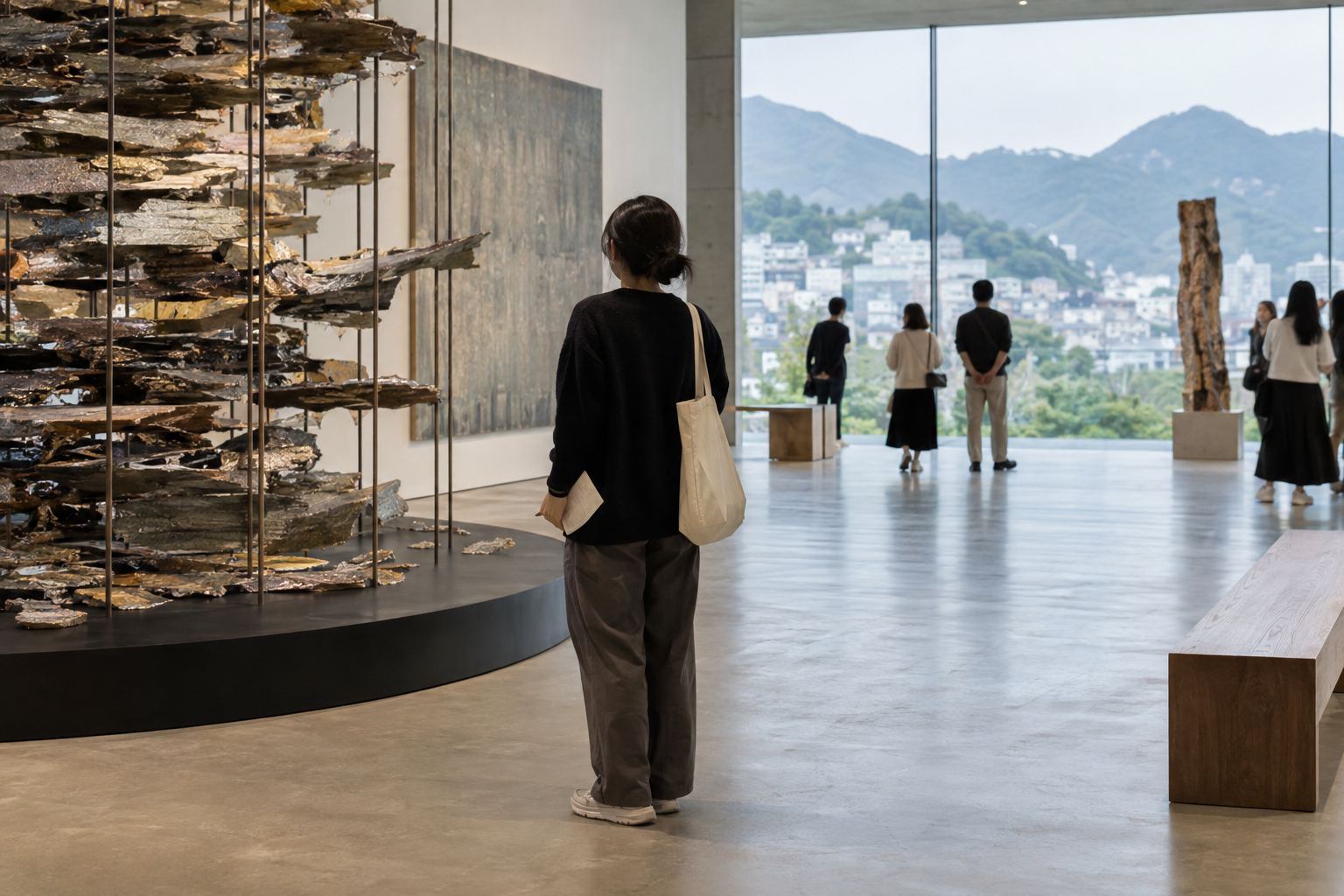
In practical terms, that weekly rhythm will be visible across a wide range of spaces. The government says more than 2,000 cultural facilities nationwide will participate in some form, spanning performance halls, museums, libraries, movie theaters, sports venues, and public institutions. Some offerings are familiar — extended hours, discounted admission, free entry, double library borrowing limits — but placed inside a weekly structure, they begin to feel less like one-off promotions and more like recurring cues. Wednesday, in other words, is being given a new social texture.
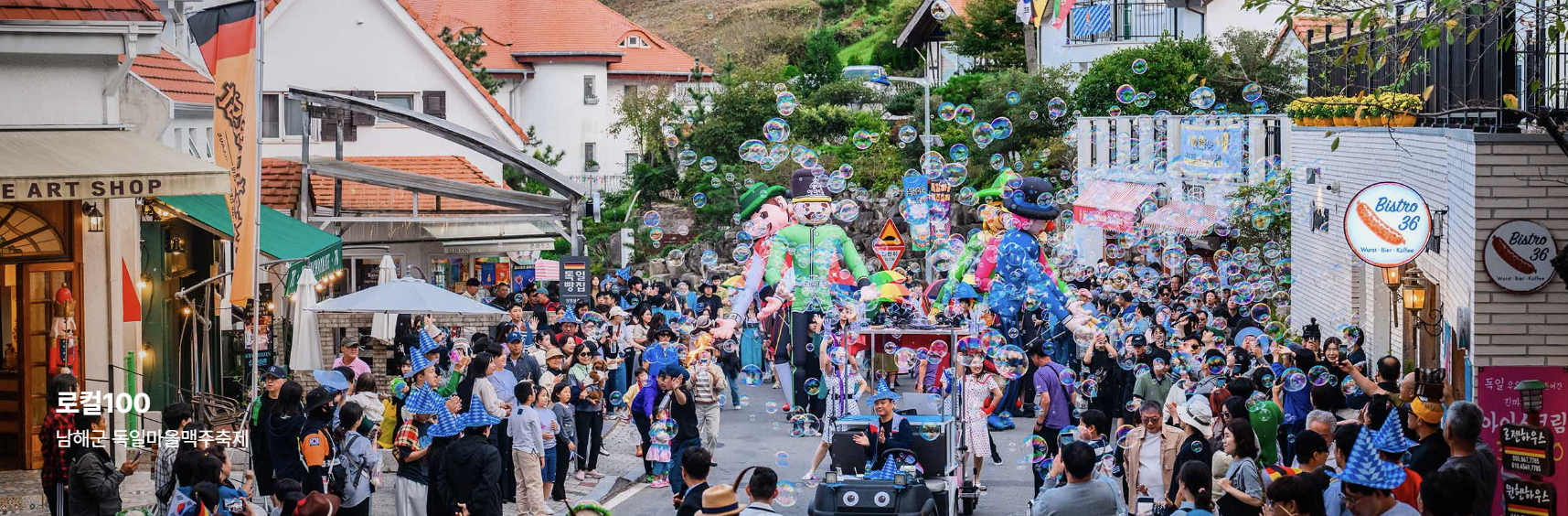
What makes the policy more interesting, though, is that it is not supposed to belong only to Seoul. Buried beneath the headlines about ticket discounts is a more textured cultural idea: some local governments are being encouraged to build region-specific Wednesday programs around local cultural assets, including hanok, nongak, and craft workshops. That changes the mood of the initiative. It suggests a Korea where Culture Day is not only about entering major national institutions in the capital, but also about encountering local memory close to home — in a traditional house, in a folk performance, in a workshop where regional techniques and identities are still practiced by hand.
Seen that way, the weekly expansion becomes part of a larger story Korea has been telling about culture in recent years: that cultural life should not be concentrated only in big cities, headline museums, or blockbuster stages. The same regional culture ecosystem that hosts Culture Day also places it alongside Culture Cities, Local100, cultural districts, and neighborhood cultural spaces — a reminder that the government is increasingly trying to map culture through place, locality, and regional character. Wednesday is not just being turned into a day for consumption; it is being positioned as a recurring doorway into the cultural geography of the country.
There is also something distinctly contemporary in the way the policy is being built. The ministry says weekly Culture Day will rely not only on public institutions but also on voluntary participation from private organizations, with participating institutions able to design their own Wednesday-specific programs year-round. On March 18, the ministry signed an agreement with 11 major organizations from the cultural, arts, and business sectors, presenting the weekly model as something that should take root through cooperation rather than top-down instruction alone. That gives the project a slightly different feel from an old-fashioned state benefits scheme. It is being framed instead as a shared cultural habit — public, private, local, and personal all at once.
And perhaps that is why the weekly version feels more interesting than the monthly one ever did. A monthly Culture Day can still feel like an event. A weekly one begins to shape expectation. You start to imagine the small rituals it might produce: a Wednesday museum stop before dinner, a midweek independent film, a library visit that turns into borrowing twice as many books, a regional performance in a place that usually feels outside the cultural map. The ministry’s own hope is that this expanded rhythm will make cultural access more universal; its participation rate, it notes, rose from 28.4 percent in the program’s early stage to 66.3 percent by 2024. But beyond the numbers lies a more intimate aspiration: that culture might stop feeling like something reserved for spare time and start feeling like part of life itself.
If that happens, the real success of weekly Culture Day will not be measured only in cheaper tickets or attendance counts. It will be measured in whether Wednesdays begin to feel different — a little slower, a little richer, a little more attentive to the places people live. And if local governments truly use the new structure to foreground hanok neighborhoods, folk traditions, regional crafts, and place-based heritage, then the most meaningful transformation may be this: Korea’s cultural week will no longer point only toward Seoul, but outward, toward the textures of the country itself.



Leave a Reply