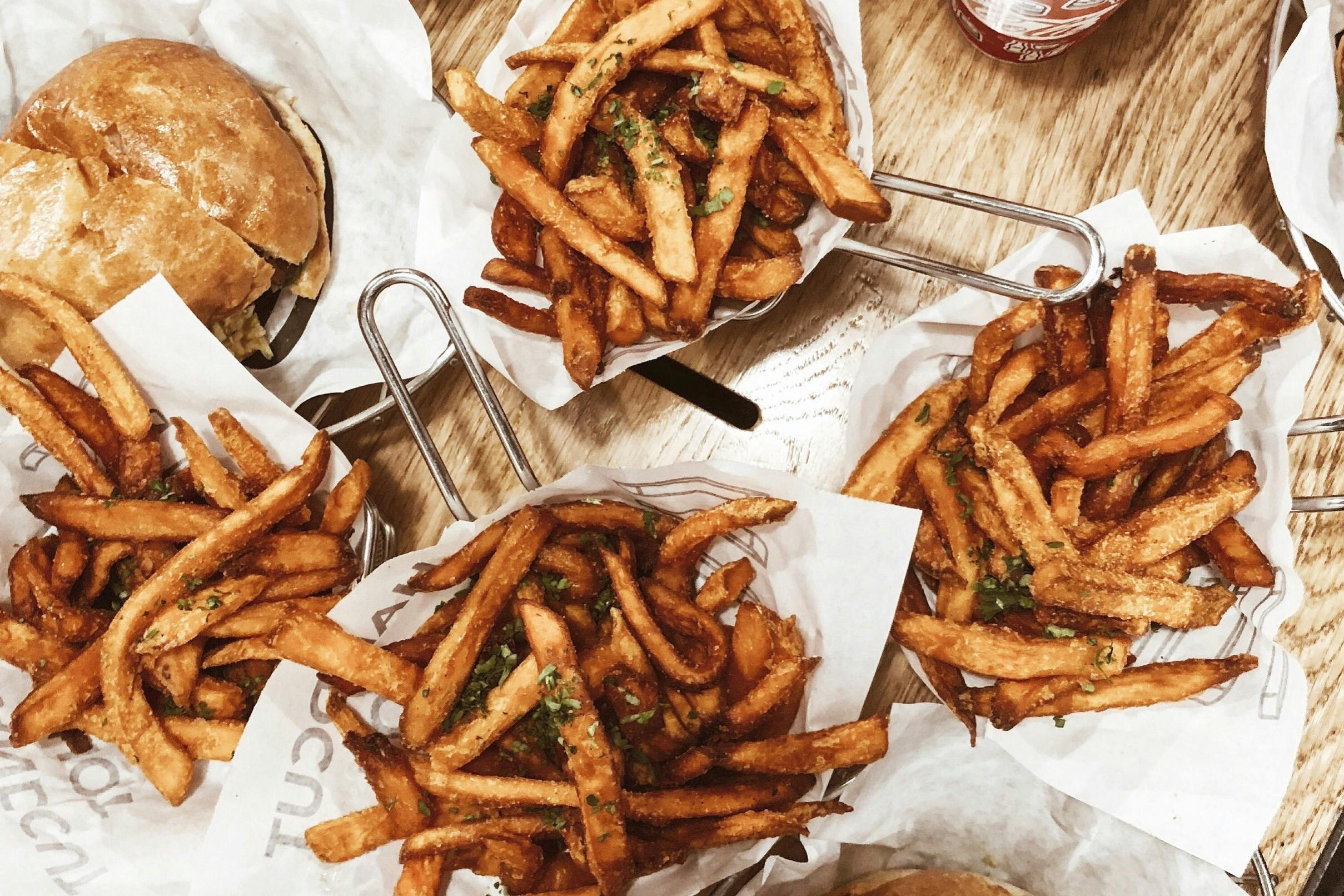
A fast-growing “french fry meetup” trend in South Korea is turning a cheap side dish into a low-pressure social tool. Behind the novelty is a deeper story about loneliness, social fatigue, and the rise of micro-communities shaped by neighborhood apps and short-form internet culture.
South Korea’s latest social trend is not built around a marathon, a book club, or a networking event. It is built around french fries. Across local community platforms, especially Karrot, young people have been posting invitations for casual meetups centered on one of the simplest foods imaginable: a shared order of fries at a fast-food chain, followed by a brief conversation and an easy exit. Korean and English-language coverage describes the gatherings as a growing fad, especially among people in their 20s and 30s.
At first glance, the trend looks like internet absurdity made real. But the appeal becomes clearer the moment you consider how modern urban social life actually works. Friendship takes time. Plans are hard to coordinate. New groups can feel intimidating. Many young adults want connection, but not necessarily the emotional or logistical weight that comes with committing to a formal club, a recurring hobby group, or a long evening with strangers. The fry meetup offers a workaround: show up, split an inexpensive snack, talk for a while, then leave without pressure. That low-friction structure is central to how the trend has been described in reporting on the phenomenon.
The fries themselves are part of the design. They are cheap, familiar, and socially neutral. No special knowledge is required, and there is no identity barrier to joining. You do not need to be skilled, stylish, or deeply invested in a niche interest. You only need enough willingness to meet someone and enough time to share a side dish. In that sense, fries are not really the topic of the meetup. They are a social device: a small, structured excuse for two or more strangers to occupy the same table without the strain of inventing a reason to be there. This is an interpretation of the reporting, but it aligns closely with how participants and journalists describe the appeal of these gatherings.
That makes the trend feel especially Korean in a contemporary sense. It reflects a society in which digital platforms increasingly organize offline life, and where highly specific, temporary, low-commitment communities can form quickly around the lightest possible premise. One Korea Times report said Karrot had 99 french fry meetup groups, including 11 in Seoul, while Korea JoongAng Daily described the meetings as part of a broader wave of casual, neighborhood-based gatherings arranged through the app.
The larger story is about social exhaustion. In a high-pressure urban environment, young people often face a contradiction: they feel lonely, but they are also tired. They may want company without wanting intensity. They may want novelty without obligation. A meetup that lasts only as long as it takes to finish a tray of fries fits that emotional economy almost perfectly. It offers structure without permanence, contact without overexposure, and sociability without the burden of immediately turning a stranger into a friend. Korea JoongAng Daily, citing an expert, framed such light, interest-based gatherings as one response to loneliness in an increasingly individualistic society.
That does not mean the trend is automatically profound. Its looseness also raises obvious questions about safety, trust, and the thinness of relationships built for convenience. And yet that may be exactly why it matters as a cultural signal. The fry meetup is not a rejection of connection. It is a recalibration of it. Instead of asking for deep belonging from the start, it asks almost nothing at all. In return, it gives participants something many people seem to need: a small, manageable moment of togetherness.
The novelty of strangers meeting for fries is what makes the story clickable. The real significance lies elsewhere. Young Koreans are not gathering because french fries are meaningful. They are gathering because modern friendship can feel expensive, heavy, and difficult to begin, while fries make the first step feel brief, affordable, and strangely easy.




Leave a Reply