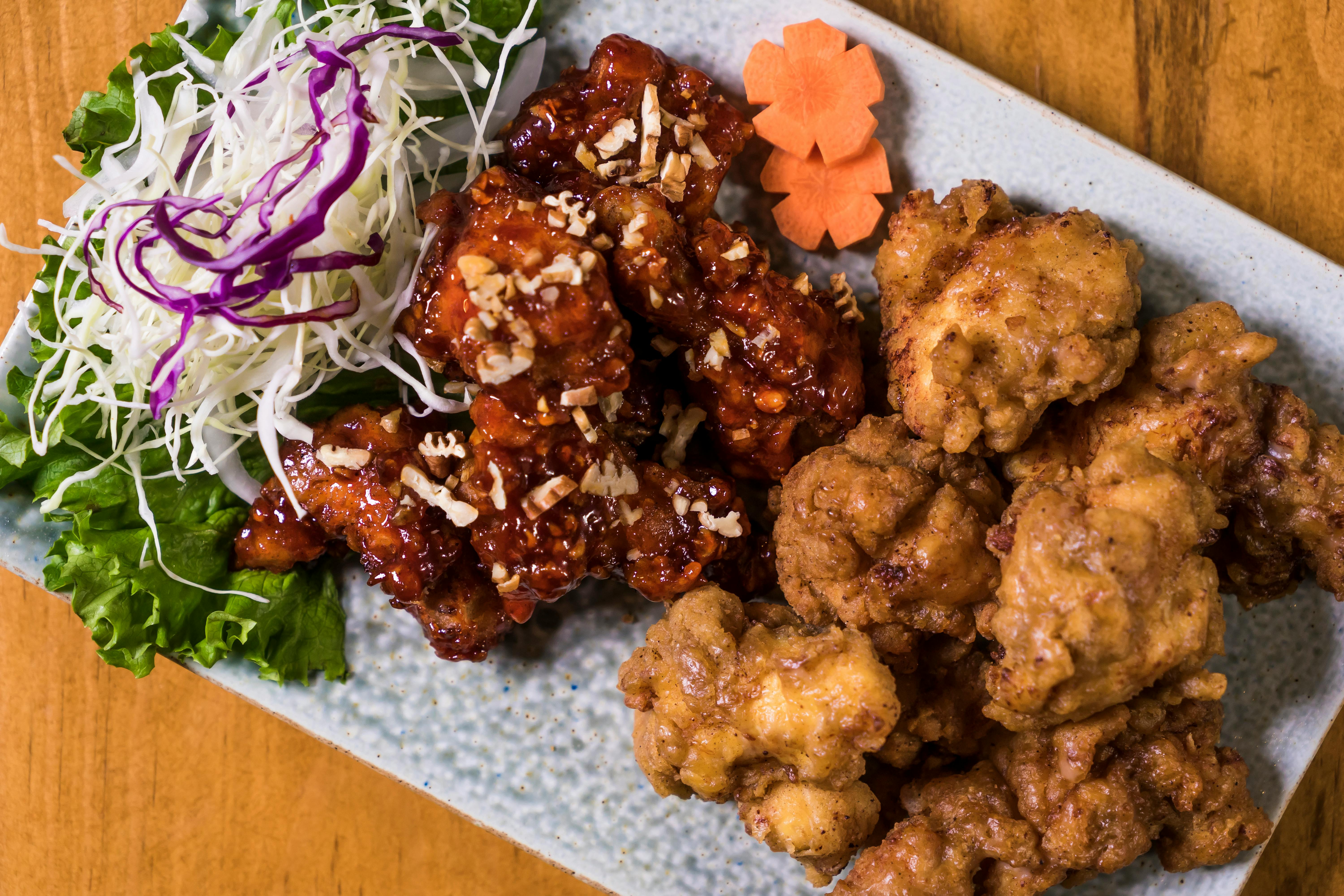
More Than Just Fried Chicken
Few Korean dishes have achieved the global recognition of Korean fried chicken. Known for its ultra-crispy texture, glossy sauces, and addictive balance of sweet, spicy, and savory flavors, Korean fried chicken has evolved from a late-night comfort food into an international culinary phenomenon. Today, it appears everywhere from casual takeout spots to trendy food halls and global franchises, signaling not just a taste preference but a cultural shift in how Korean food is perceived and consumed worldwide.
Cultural and Historical Background
Fried chicken itself is not native to Korea, but Korean fried chicken is unmistakably its own creation. The dish emerged prominently in the late 20th century, particularly during the 1970s and 1980s, when cooking oil became more accessible and chicken consumption increased.
What sets Korean fried chicken apart is technique. Many versions use a double-frying method, resulting in a thinner, crackling crust that stays crisp longer than its Western counterparts. This innovation aligned well with Korea’s social dining culture, where food is shared, ordered in rounds, and enjoyed over extended conversations.
Korean fried chicken also became closely tied to chimaek—the pairing of chicken (chi) and beer (maekju). This combination grew into a cultural ritual, especially during sports events and social gatherings, reinforcing fried chicken’s role as food for celebration, stress relief, and community.
Why It Is Gaining Attention Now
Several contemporary forces have pushed Korean fried chicken from local favorite to global staple:
1. The Rise of Korean Soft Power
As K-pop, K-dramas, and Korean films gained international popularity, food frequently appeared as part of everyday storytelling. Scenes of friends sharing fried chicken late at night or celebrating victories with chimaek made the dish emotionally resonant for global audiences, sparking curiosity and appetite.
2. Global Demand for Texture and Flavor
Modern food trends emphasize sensory experiences, and Korean fried chicken delivers both crunch and complexity. The contrast between crisp coating and juicy meat, paired with sauces like soy-garlic or gochujang-based glaze, appeals to diners seeking bold but balanced flavors.
3. Franchise-Friendly Format
Korean fried chicken adapts easily to global markets. Its customizable sauces, portion flexibility, and takeout-friendly nature make it ideal for expansion through chains and fast-casual concepts. Unlike more labor-intensive Korean dishes, fried chicken offers consistency while still carrying cultural identity.
4. Social Media Amplification
Glossy, sauce-coated chicken is visually striking. Online platforms amplify its appeal through food videos showcasing slow-motion crunches, sauce drizzles, and communal eating moments, making Korean fried chicken a highly shareable experience.
Public and Global Response
The international response has been enthusiastic and sustained:
- Mainstream Integration: Korean fried chicken is no longer confined to Korean neighborhoods. It appears alongside burgers, pizzas, and wings in competitive food markets, often positioned as a premium or “upgrade” option.
- Local Adaptation: While original flavors remain popular, regional variations have emerged—adjusting spice levels, introducing local ingredients, or pairing chicken with nontraditional sides.
- Culinary Curiosity: Diners increasingly recognize distinctions between Korean fried chicken and other styles, showing growing literacy in Korean food culture rather than treating it as a novelty.
At the same time, conversations around authenticity persist. Some purists worry about oversimplification, while others view adaptation as a sign that Korean food has entered a mature phase of global exchange.
Broader Impact on Korean Food Culture
The global success of Korean fried chicken has reshaped perceptions of Korean cuisine in several important ways.
First, it challenges stereotypes. Korean food is no longer seen solely as fermented or soup-based but as versatile, modern, and capable of competing within global comfort-food categories.
Second, it opens doors for other dishes. Fried chicken often acts as a gateway, encouraging diners to explore Korean barbecue, stews, noodles, and side dishes after their initial exposure.
Third, it reinforces food as cultural storytelling. Korean fried chicken carries narratives of post-industrial growth, urban nightlife, and communal dining, offering insight into modern Korean life beyond traditional imagery.
Finally, its success highlights Korea’s ability to reinterpret global food influences and make them distinctly Korean—an approach that continues to define the evolution of hansik in the 21st century.
Conclusion
Korean fried chicken’s journey from neighborhood shops to international menus reflects more than a craving for crunch. It represents cultural adaptability, technical innovation, and the power of food to travel alongside music, media, and shared experience. As Korean fried chicken continues to evolve across borders, it remains rooted in the same values that made it beloved at home: balance, community, and enjoyment.




Leave a Reply