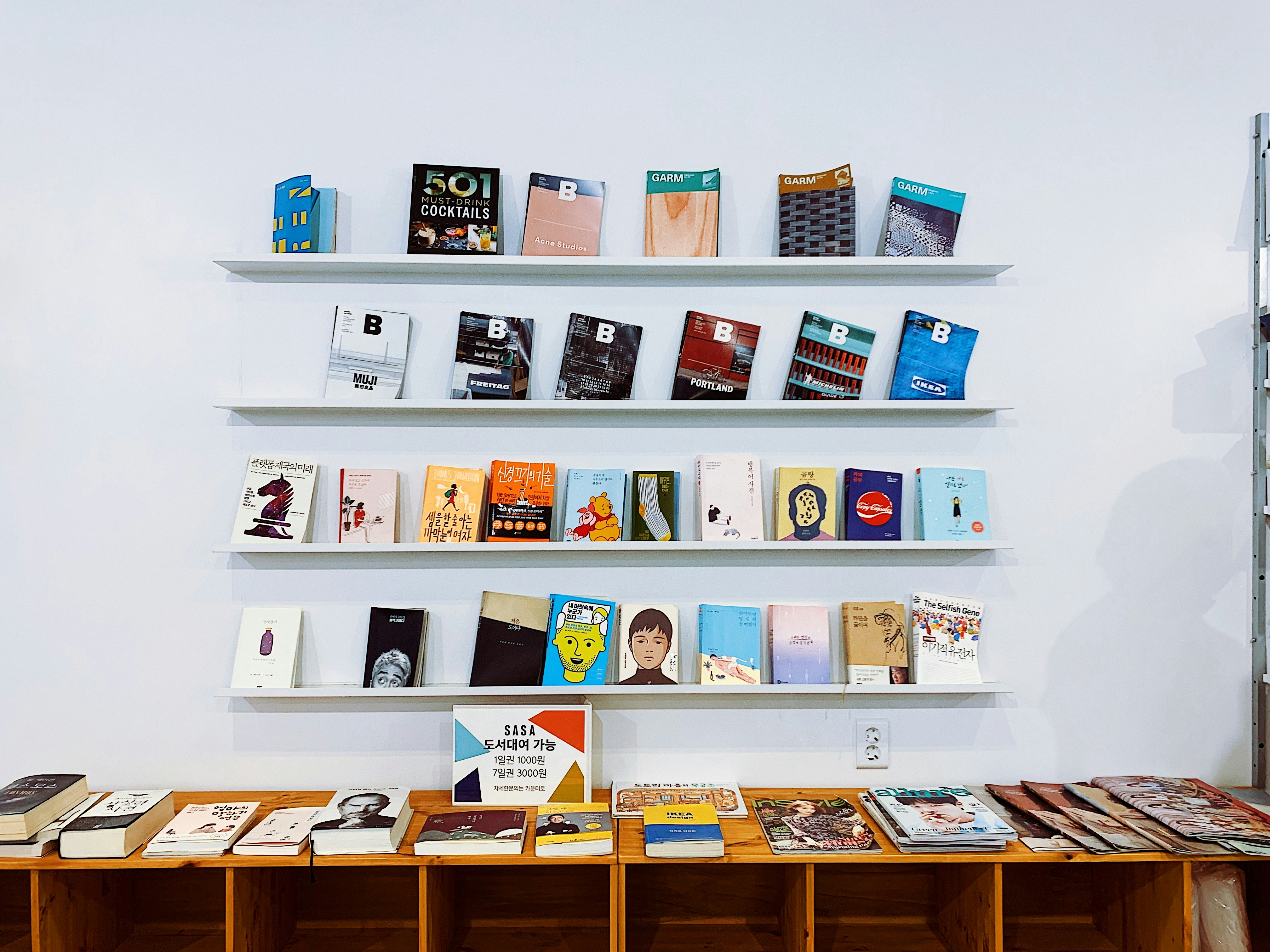
When people outside Korea talk about the country’s cultural influence, the conversation usually jumps straight to K-pop, dramas, or award-winning films. But inside the Korean-language book market, a different story has been unfolding: small publishing houses have been building steady readerships through essay collections, healing fiction, and short-form personal writing that feels intimate, emotionally legible, and sharply tuned to modern fatigue. Recent Korean publishing analysis points to a market where readers are still making room for books that offer emotional stability, self-recognition, and a language for exhaustion.
The data helps explain why this is more than a passing mood. According to a Korea Herald report summarizing YES24’s annual figures, more than 4,200 essay titles were released in 2023, nearly double the number from a decade earlier. The same report said unit sales in the “Korean Essay” category had risen by more than 30 percent since 2019, even as several other book categories stagnated. In other words, essay writing in Korea is not just culturally visible; it is commercially resilient.
This demand has been especially meaningful for smaller publishers because Korea’s publishing ecosystem has long been unusually fragmented. A KPIPA-linked market overview noted that 69.8 percent of publishers that released books in 2018 published fewer than five titles that year, leading the author to conclude that small or one-person publishers make up a huge share of Korea’s single-volume publishing market. That older figure does not describe the whole market today, but it does show that Korea’s book culture has long had structural room for micro-publishers, niche editorial identities, and small-batch experimentation.
That structure is still being actively supported. KPIPA’s 2026 small-publisher support program offers production grants for unpublished Korean manuscripts to both newer and more established small presses, alongside consulting, marketing, and workspace support. The scale of that support matters: the agency says it will fund 70 unpublished Korean creative manuscripts at 7 million won each for firms under seven years old, and another 70 at 13 million won each for older small firms. That is a clear signal that Korea’s publishing policy sees small presses not as a side scene, but as part of the industry’s diversity and growth strategy.
The format of these books is part of the appeal. K-Book Trends described the rise of “healing essays” and noted that six of the ten annual bestsellers announced by major bookstores at one point were essay collections. It also highlighted how smaller presses began pushing back against larger houses by producing “small and light” paperback essays that felt fresher and less commercial to younger readers. The clearest example was the Anyway series, launched in 2017 by Hugo Publishing, Right Season Publishing House, and Conan Books. Built around single, highly specific interests, the series proved that even single-person or very small publishers could create steady sellers by being nimble, funny, topic-driven, and emotionally precise.
What makes these books feel timely is not just their size, but their subject matter. Korean essay collections that travel by word of mouth often sit close to burnout, mental strain, stalled ambition, and the tiny negotiations of ordinary survival. Baek Se-hee’s I Want to Die but I Also Want to Eat Tteokbokki, published by HEUN in 2018, was presented by K-Book Trends as a dialogue-style record of psychiatric consultations around dysthymia and anxiety, written from the perspective of an ordinary patient rather than a medical authority. Ha wann’s I Almost Lived Diligently turns overwork and the fantasy of relentless self-improvement into a wry reflection on quitting the performance of being endlessly productive. These are not grand manifestos. They are books about the pressure to function.
That emotional register has also crossed borders. K-Book Trends’ reporting on Korean essays in Japan argues that the genre’s strength lies in its candid attention to self-understanding, hesitation, and inner life. It cites the success of titles like I Decided to Live as Me, I Want to Die but I Also Want to Eat Tteokbokki, and I Almost Lived Diligently in translation, while another export case reported that the Japanese editions of Baek Se-hee’s two Tteokbokki books sold a combined 200,000 copies by 2021. The Korea Herald has also pointed to the continuing international life of “healing” Korean books, including Ha Tae-wan’s million-selling Every Moment Was You. What reads domestically as burnout literature increasingly reads abroad as a recognizable emotional vocabulary.
The broader market context makes the trend even more revealing. In its January 2026 outlook, K-Book Trends described a Korean publishing market where the number of new titles is rising while the average print run per title is falling. It also argued that readers’ needs are splitting across two simultaneous axes: advanced practical knowledge for survival, and emotional well-being content for recovery. Essays, novels, poetry, coloring books, and other slower forms of reading are increasingly framed as “emotional safe zones” in a society marked by anxiety and fatigue. That diagnosis helps explain why essay collections remain so durable. They do not compete with practical books by offering information. They compete by offering relief, self-translation, and a manageable scale of intimacy.
Seen that way, the rise of Korea’s small publishing houses is not just a publishing story. It is a social story about the kinds of language readers now need. In a culture shaped by long work hours, intense self-comparison, economic pressure, and digital overstimulation, short-form personal writing has become one of the most effective formats for naming everyday distress without turning it into spectacle. Small publishers have been especially good at recognizing that demand early, packaging it clearly, and building trust around specific moods and themes. Global audiences may still meet Korea first through screens, but one of the country’s most revealing cultural conversations is happening quietly on the page.



Leave a Reply