The 2026 honorees span film, television, design, criticism, furniture, comedy and classical performance, presenting gender equality as a question of who gets to create, whose lives are shown and which cultural spaces support them.
South Korea’s 19th Gender Equality Culture Awards arrive with an unusually broad map of cultural work. The 2026 awards recognize a filmmaker, a long-running television documentary series, a designers’ network, a critic, a furniture collective, a stand-up comedy team and a group of emerging artists. Taken together, the list moves the discussion of representation beyond a single screen or genre.
The Ministry of Culture, Sports and Tourism announced the honorees on August 31. The awards are organized by Women’s Culture Network and The Women’s News and supported by the ministry. The ceremony is scheduled for September 1 at the National Library of Korea in Seoul.
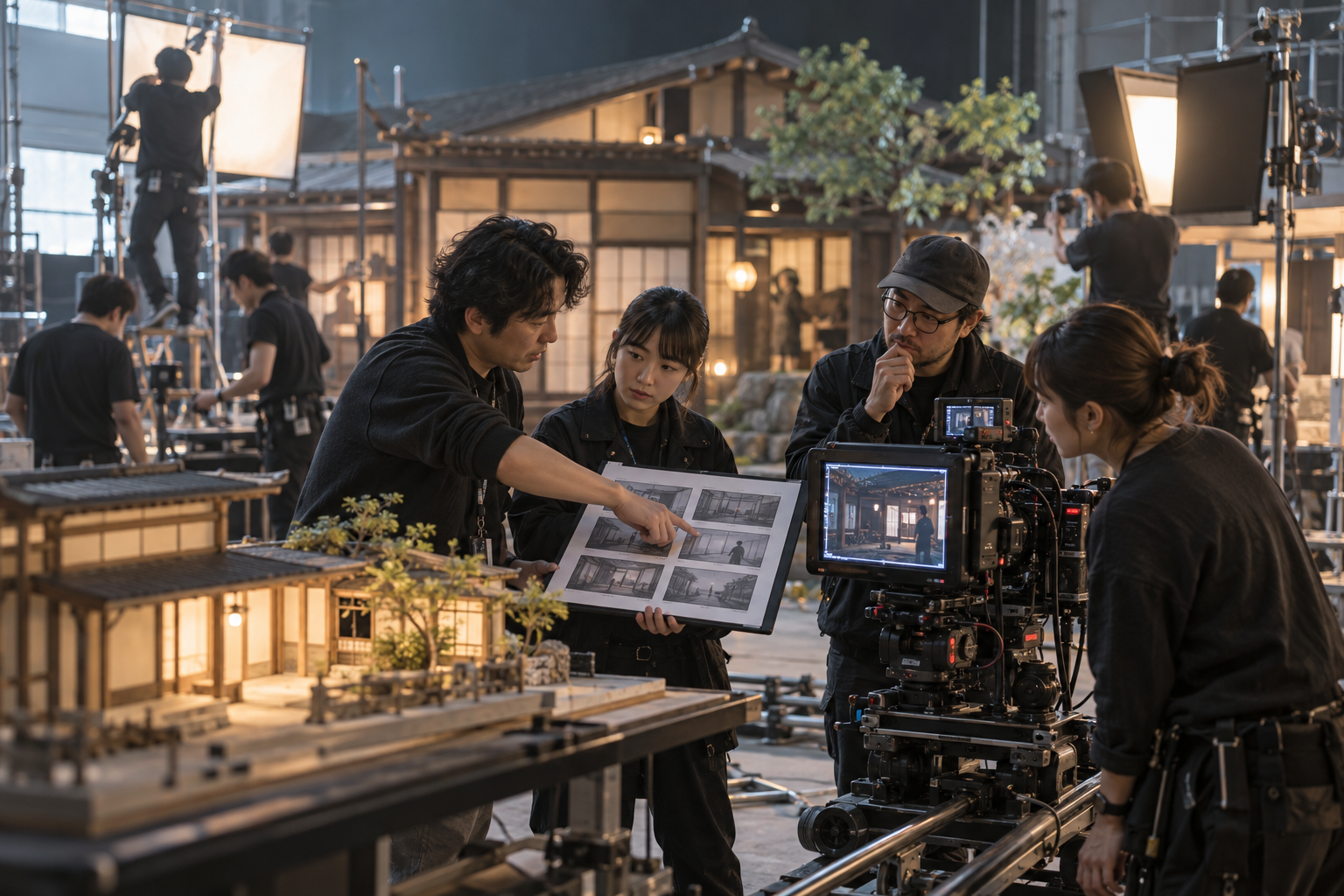
Filmmaker Yoon Ga-eun received the Gender Equality Cultural Figure Award. The ministry cited her film 세계의 주인 (The World of Love), which follows a teenage girl confronting relationships, social judgment and her own emotions. Yoon’s work has long focused on young people whose interior lives are often compressed into adult assumptions. The award’s emphasis is therefore not simply on the presence of a female protagonist. It is on the right of a young woman character to remain complicated, contradictory and self-directed.
LG HelloVision’s 눈에 띄는 그녀들 (Women Who Stand Out) received the Gender Equality Cultural Content Award. The documentary program began in 2022 and has reached its ninth season. Its continuing subject is women who pursue change in their work and communities. Longevity matters here: a recurring nonfiction format can make women’s labor and ambition visible without treating each story as an exceptional novelty.
The support awards widen the frame further. The Feminist Designer Social Club received the organization prize, while art critic Kim Hong-hee received the individual prize. These selections point to the infrastructure surrounding cultural production: professional networks, critical language, exhibition systems and the people who shape how work is understood.
Director July Jung received the Ilgyeong Culture Award. 도잠 (Dojam), a women’s furniture-design collective, and the women’s stand-up comedy team Bloody Funny jointly received the Eulju Culture Award. Twelve emerging cultural figures, including classical musician Gong Se-jeong, were also selected.
The mix of disciplines is the most useful feature of the 2026 list. Film and television remain powerful engines of public representation, but design associations determine who finds professional support, critics affect which work enters the record, and comedy can test social limits in real time. Furniture design may appear distant from screen culture, yet it raises the same practical questions about access to training, workshop space, commissions and recognition.
Awards cannot measure the overall condition of gender equality in Korean culture. They also do not replace durable funding, safe workplaces or fair access to decision-making roles. Their value is narrower and more concrete: they identify work that has already changed the range of lives and perspectives visible in public culture.
This year’s honorees suggest that representation is most durable when it is treated as an ecosystem. A film can give a teenage girl narrative authority. A documentary series can build an archive of women’s working lives. A professional club can make careers less isolating. A critic can change the terms of evaluation. A comedy team can create a room in which women control the joke rather than serve as its object.
That breadth is the point. Gender equality in culture is not one type of story. It is the distribution of authorship, attention and institutional support across the places where culture is made.