On a typical Saturday in Seoul, the most valuable commodity isn’t a dinner reservation—it’s a slot. A timed-entry QR. A wristband. A stamped card that proves you were there before the crowd turned the experience into background noise.
Pop-up fashion and lifestyle events have become the city’s most dependable weekend programming, and Seongsu-dong remains their most photogenic headquarters: a neighborhood where “retail” rarely means racks alone. It means an installation, a café collaboration, a collectible, a customization station, and—inevitably—a line that functions as both demand signal and social proof. Official tourism and city trend reporting increasingly treats Seongsu as a defining district for “real-time” culture, where what’s available now is the point.
Seongsu’s superpower: spaces that behave like sets
Seongsu’s rise isn’t a mystery; it’s architecture plus attitude. Former industrial spaces, flexible interiors, and walkable side streets create a neighborhood that can absorb constant turnover without feeling chaotic. Pop-ups don’t interrupt the streetscape—they match it.
That matters because pop-ups today are less about selling a single item and more about staging a brand’s world. Seongsu’s warehouses and converted buildings let brands build that world quickly: clean sightlines, high ceilings, modular walls, and the kind of light that reads well on camera. The district’s look—a little raw, a little curated—does the styling work before the first garment hits a hanger.
The new pop-up formula: fashion, but make it experiential
The pop-up boom has evolved past “limited run shop.” The format now plays like a weekend micro-festival, built to translate into a story arc: arrive, queue, enter, participate, collect, purchase, post.
What shows up inside is increasingly hybrid:
- Fashion drops packaged as exhibitions (with lookbook-level photo zones)
- Beauty and fragrance with test bars and guided demos
- Lifestyle goods positioned as collectibles (charms, stickers, mini objects)
- Customization as the upsell (patches, embroidery, engraving, color selection)
- Food/café tie-ins to keep you inside—and keep the feed cohesive
Even ostensibly retail-forward spaces now program like events calendars, with reservation systems and activity-based hooks (a sign the pop-up is competing not only with other shops, but with everything else on your weekend).
Why Seongsu dominates lifestyle feeds
Pop-ups thrive in Seoul because the city already understands speed: fast trends, fast photography, fast recommendations. But Seongsu dominates because it enables density—you can plausibly hit three or four stops without a taxi, and the day still feels curated rather than exhausting.
There’s also a social script to Seongsu pop-ups:
- “We should go early.”
- “It’s already busy.”
- “It’s cute inside.”
- “They have something exclusive.”
- “Let’s do one more nearby.”
That loop keeps the neighborhood sticky. For brands, the reward is obvious: pop-ups convert foot traffic into visibility, and visibility into a product narrative people carry for you.
Why this isn’t just a youth trend—it’s retail strategy
Pop-ups are often framed as youth culture, but their endurance comes from how practical they are for modern retail:
- Lower long-term risk than permanent stores
- High-intent traffic because the visit is time-bound
- Instant feedback on product and pricing
- Content generation that functions like advertising, without reading like advertising
Global fashion coverage has noted how Seoul’s retail ecosystem is unusually well-suited to immersive, shareable experiences—exactly the conditions pop-ups need to become a default, not a novelty.
The Seongsu effect on fashion reporting
For editors and writers, pop-up culture changes the language of weekend coverage. It’s no longer “shopping guides,” it’s dispatches: where the city’s mood is, what silhouettes are being staged, what kinds of objects are being turned into desire.
It also shifts the meaning of “trend.” A trend isn’t only what people wear—it’s what people do:
- waiting in line for a specific brand world
- collecting limited objects like souvenirs
- building a route that doubles as content
- treating a neighborhood like a runway you walk through, not a place you simply visit
What to watch next
- More reservations, less browsing: winter and crowd-control logic push pop-ups toward timed entry and structured programming.
- Faster flip cycles: spaces turning over concepts at a pace that resembles media scheduling.
- Tourism crossover: as city guides increasingly spotlight Seongsu, pop-ups will design even more consciously for visitors—multilingual signage, photo-first layouts, and portable exclusives.
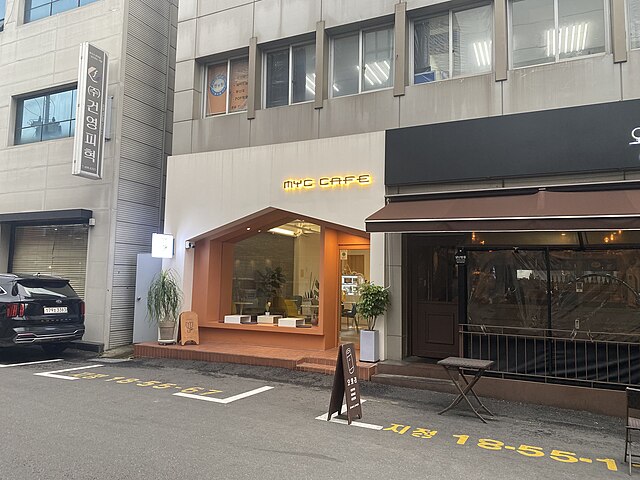
Photo: Storefronts in Seongsu-dong, Seoul—where converted industrial streetscapes now host a steady rotation of pop-ups, concept shops, and café-led retail.



Leave a Reply