Malaysia’s first Korean Cultural Center puts a library, classrooms, exhibitions, screenings and live performance under one roof in central Kuala Lumpur.
Korean cultural events in Malaysia no longer have to arrive as temporary festivals or touring programs. The Korean Cultural Center Malaysia opened in Kuala Lumpur on October 30, giving readers, learners and curious visitors a permanent place to return to throughout the year.
The center is Korea’s 36th overseas cultural center and its fifth in Southeast Asia. Its location is unusually visible: a 1,199-square-meter space across from the PETRONAS Twin Towers, close to the city’s busiest cultural and commercial district.
That address matters because participation often depends on practical details. A permanent, central venue can turn an occasional encounter with Korean culture into a repeated habit.
What visitors can actually do there
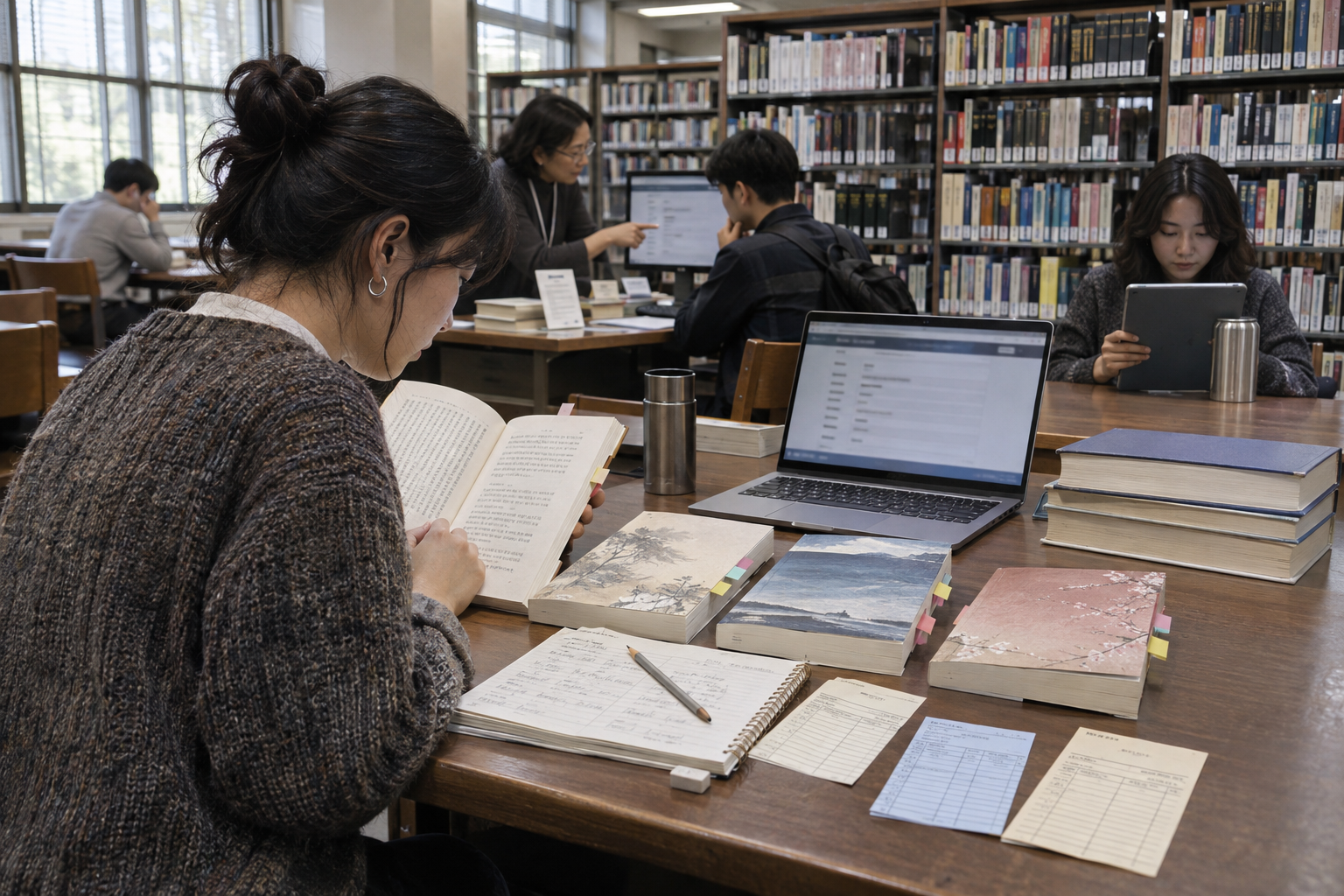
The first floor holds a 100-seat performance hall, an exhibition gallery and a screening room. The second floor adds a library, classrooms and a 사랑방 (sarangbang, a traditional reception room) conceived as a place for conversation and rest.
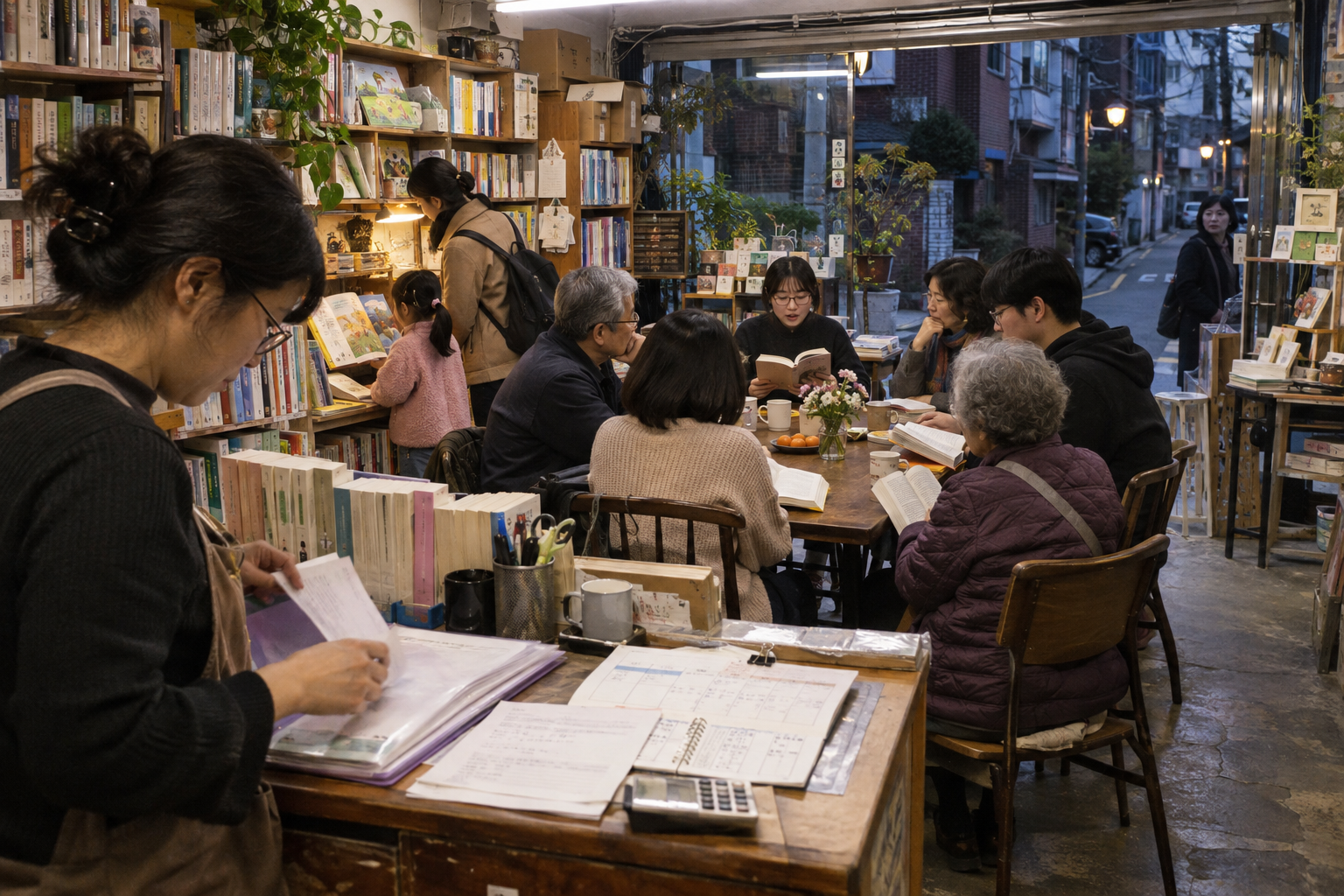
Together, those rooms support several different ways of entering Korean culture. A visitor can borrow or browse a book, take a language class, see a film, attend a small concert or encounter design and craft in an exhibition. The center is not organized around a single export format or fan community.
Its opening program made that breadth explicit. Korean and Malaysian artists performed together, and the inaugural exhibition, 한복, 예술로 다시 태어나다 (Hanbok, Reborn as Art), presented contemporary interpretations of traditional Korean clothing.
For people already following Korean television, music or literature, the center offers context that streaming platforms cannot. For newcomers, it lowers the pressure to arrive with expertise. A library or public screening is a gentler first step than a major ticketed event.
Why permanence changes access
Pop-up events are useful, but they are easy to miss and difficult to build on. A permanent center can publish a calendar, repeat successful programs and connect a first visit to a next one. Language students can return for exhibitions; readers can find a screening related to a book; families can discover programs without waiting for an annual festival.
The building also creates room for Malaysian participation rather than treating culture as a one-way presentation from Korea. The opening’s joint performances were an early sign of that approach.
There is still a difference between opening a building and building a public. The center will need a dependable schedule, accessible registration and programming that reaches beyond audiences already closest to Korean popular culture.
For now, Kuala Lumpur has gained something concrete: a year-round public door into Korean books, language, film, performance and design. That makes Korean culture less of an event to catch and more of a place to visit.