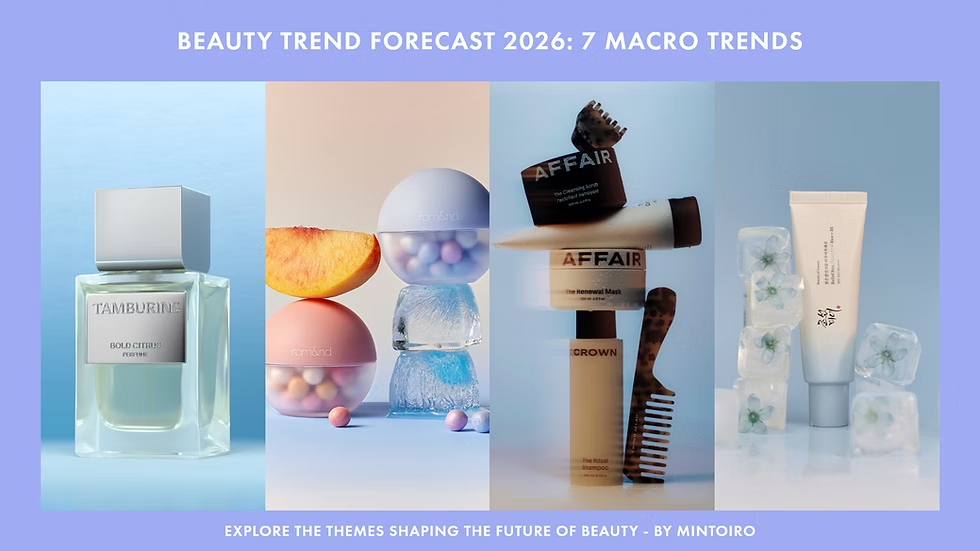
The world of Korean beauty isn’t just following trends—it’s setting them. In 2026, Korean beauty (K-beauty) continues to evolve beyond its early “10-step skincare” reputation into a sophisticated, scientifically-oriented ecosystem that influences global beauty culture, cosmetics innovation, and everyday routines alike. From bioactive ingredient breakthroughs to hybrid makeup formulas that blur the boundaries between skincare and cosmetics, Korea’s beauty scene is defining what beauty means this year—and how millions around the world will engage with it.
Trend Highlights: What’s Dominating K-Beauty in 2026
At its core, 2026’s K-beauty landscape is rooted in science, simplicity, and personalization. Experts and trend trackers note that consumers are no longer chasing novelty for its own sake; they want effectiveness, transparency, and products that feel purposeful in routine and result.
• Bioactive and Regenerative Skincare – Ingredients like exosomes and PDRN (a bioactive molecule derived from salmon DNA) are being integrated into topical serums and creams to support cellular regeneration, inflammation control, and barrier repair—ushering skincare toward a more clinical, results-oriented era.
• Functional Minimalism – With an emphasis on quality over quantity, beauty routines are shrinking. Intelligent multitasking formulas—such as BB creams with SPF and peptide-infused makeup foundations—are replacing unnecessary step-bloat.
• Hybrid Makeup – Makeup is no longer just pigment. “Skinification” trends intertwine treatment benefits with cosmetics, offering care-fused formulas that prime, protect, and perform simultaneously.
• Sensory and Playful Expressions – Beyond clinical performance, K-beauty is continuing to cultivate delight through fun textures, whimsical packaging, and dessert-inspired formulas that invite joy into everyday rituals.
These developments reflect a broader industry shift: beauty is both intentional and experiential. It’s about nurturing skin health as much as it is about visual expression.
From Seoul to the World: Industry and Cultural Context
Korean beauty’s global influence is no accident. For years, K-beauty brands have disrupted traditional Western beauty hierarchies by emphasizing innovation—whether in ingredient science, lightweight formulas, or new application techniques. In 2026, this influence has matured: rather than chasing viral buzz alone, the industry is positioning itself as a credible alternative grounded in research and performance.
Simultaneously, consumer behaviour is evolving. Beauty shoppers today are ingredient-literate and more aware of individual skin needs than ever before. This has driven demand for products that are personalized, transparent, and clinically substantiated rather than merely trendy.
Social platforms like TikTok and Instagram continue to amplify K-beauty narratives—but the conversation has shifted from purely aesthetic results to educational engagement. Beauty education hashtags, deep dives on active ingredients, and user-generated routine explanations are gaining traction, anchoring trends in utility rather than just visual appeal.
Why 2026’s K-Beauty Moment Matters
What sets this moment apart from earlier waves of K-beauty fad cycles is substance. Rather than fleeting “must-try” items, 2026’s trends show a maturation of both industry and consumer expectations. Skincare and makeup are now positioned as complementary parts of a well-being ritual; consumers want products that feel smart—not just stylish.
This also reflects a cultural shift toward holistic beauty—where mental satisfaction, sensory experience, and emotional well-being intertwine with dermatological results. The result is an industry that prioritizes efficacy, accessibility, and emotional resonance over ostentation.
What to Expect Next
Looking ahead, several forces are likely to shape how Korean beauty continues to evolve:
• Continued Ingredient Innovation: With technologies like lab-grown ceramides and regenerative actives gaining momentum, expect products that target deeper layers of skin health than ever before.
• AI and Personalization: As digital diagnostics and AI beauty advisors become mainstream, K-beauty’s strength in customization will become even more pronounced.
• Cross-Category Growth: Korea’s influence isn’t limited to skincare and makeup. Haircare, body care, and even beauty-tech products are increasingly incorporating K-beauty principles—evidence of a holistic beauty philosophy that extends beyond the face.
• Sustainability and Transparency: As global regulations tighten and consumer awareness rises, expect Korean brands to position sustainability—not just performance—as a competitive differentiator.
In 2026, Korean beauty isn’t just a category—it’s a blueprint for how modern beauty culture evolves when science, self-expression, and consumer empowerment converge. Its influence is already visible in product formulations, beauty discourse, and the rising expectations of global consumers. As the industry continues to innovate with purpose and clarity, the world watches not just what Korea makes—but how it rethinks beauty itself.



Leave a Reply