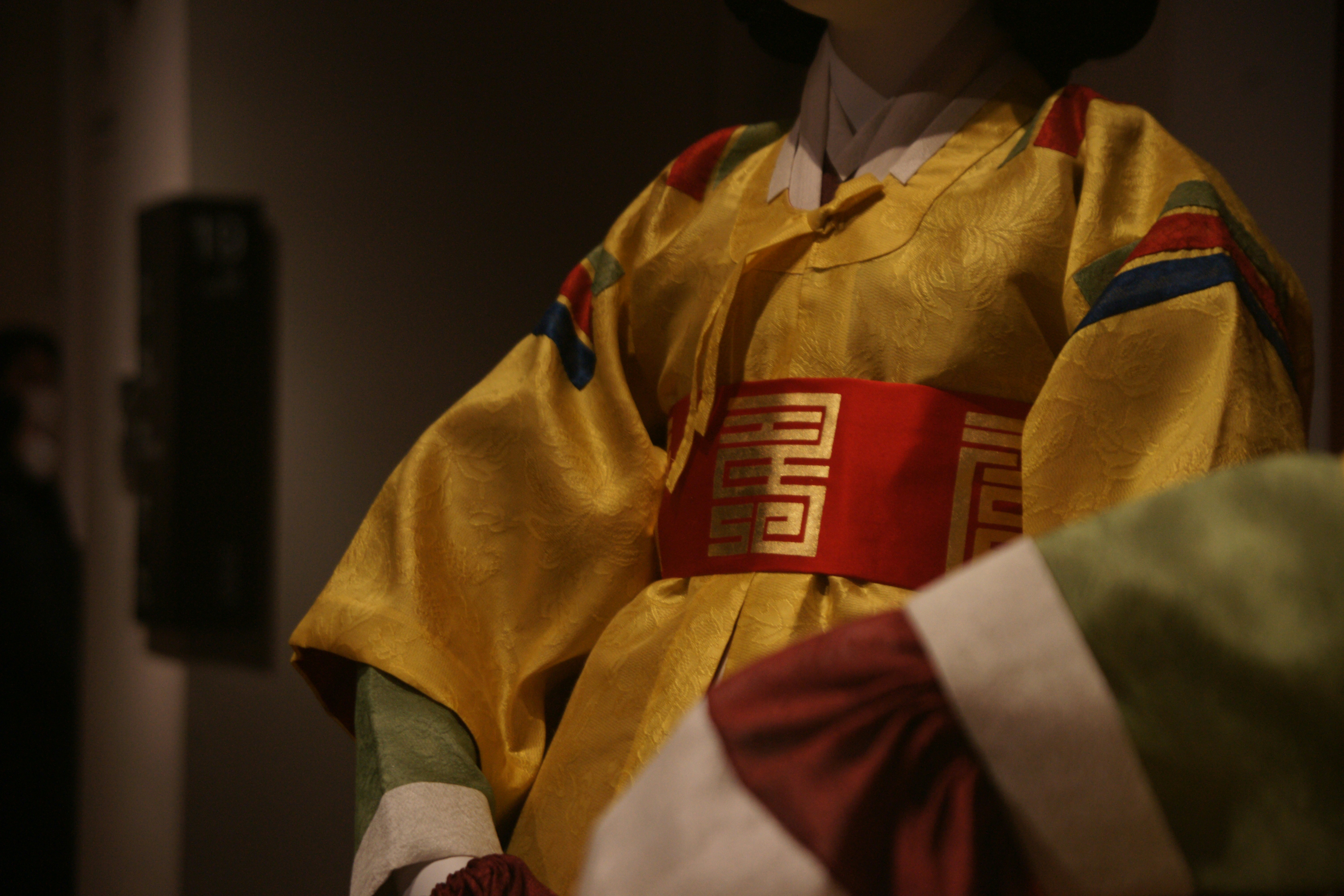
The National Museum of Korea is having the kind of year that changes how a country talks about heritage. What could have been treated as a niche arts statistic became something much larger this week after The Art Newspaper reported that the museum’s Seoul site drew 6,507,483 visitors in 2025, up from 3.8 million in 2024, placing it third in the world behind only the Louvre and the Vatican Museums.
That ranking matters because it recasts Korean heritage not as a specialist interest, but as a mass cultural habit. The National Museum of Korea did not merely edge upward in an international table: it moved past institutions such as the British Museum and New York’s Metropolitan Museum of Art, making visitor volume itself one of Korea’s most striking heritage stories of the week.
The museum’s own April 1 press release framed the result as evidence of both domestic and international demand for Korean cultural heritage. It said The Art Newspaper described South Korea as showing the most remarkable growth among surveyed countries, while the museum highlighted a mix of exhibition planning, upgraded permanent galleries, expanded visitor experience, cultural events, and museum merchandise as drivers of the surge.
That mix is important. For years, discussions of Hallyu have centered on music, television, film, and beauty, with heritage often treated as background scenery to the main export story. But the museum’s numbers suggest that traditional culture is no longer simply adjacent to Korea’s global cultural boom; it is increasingly part of the boom itself. The Art Newspaper reported that international visitors to the museum reached 230,000 in 2025, the first time annual overseas attendance passed 200,000, while the museum linked the broader rise to renewed interest in Korean culture and to more ambitious programming built around historical artifacts.
The details behind the increase help explain why this is more than a one-off spike. In its press release, the museum pointed to sustained work on permanent-gallery renewals, special exhibitions, immersive display formats, and audience participation programs. It specifically cited strong response to exhibitions such as Our Yi Sun-sin and From Impressionism to Early Modernism: People Who Collected Light, alongside continued expansion of visitor-facing experiences and the popularity of museum goods.
This is also part of a broader institutional story rather than a single-building anomaly. According to the same April 1 release, other Korean national museums and art institutions also entered the global top 100, including MMCA Seoul, Gyeongju National Museum, Buyeo National Museum, and Gongju National Museum. That pattern suggests the audience surge is not just about one successful flagship site in Seoul, but about a wider rise in the visibility of Korean museum culture.
Accessibility helps explain the scale. The National Museum of Korea’s general admission remains free except for special exhibitions, giving it a structural advantage as a public cultural space that can function as both a tourist destination and an everyday civic institution. When that accessibility is paired with stronger exhibitions and a larger global appetite for Korean culture, the result is a museum attendance story that looks less like a temporary rebound and more like a shift in how heritage is being consumed in contemporary Korea.
The most telling sign may be that the momentum appears to be continuing. Yonhap, citing the museum, reported that first-quarter 2026 attendance reached 2,023,888, up 44.8 percent from the same period a year earlier. If that pace holds, the bigger story will not be that the National Museum of Korea briefly entered the global top tier, but that heritage has become one of the clearest ways Korea is scaling cultural attention at home and abroad.




Leave a Reply