South Korea’s spring cultural season is no longer just a collection of separate events. It is starting to look more like a coordinated tourism map.
On one level, the pieces seem unrelated: Seoul publishes a monthly calendar packed with concerts, workshops, museum programs, and civic events; the 2026 Spring K-Royal Culture Festival returns to the capital’s palaces in late April; and the Ministry of Culture, Sports and Tourism has selected 27 regional festivals for special promotion as “2026–2027 Cultural Tourism Festivals.” Look closer, though, and the pattern becomes clear. Korea is increasingly using festivals, heritage programming, and official event calendars as tourism infrastructure — tools to shape where visitors go, how long they stay, and what kinds of cultural experiences define the country.
The Seoul calendar is the most practical part of that system. The city’s English-language Monthly Event Calendar functions as a service guide for residents and foreign visitors, collecting public programs into one place. The current March 2026 page includes major civic events and cultural programming ranging from the March 1 bell-ringing ceremony at Bosingak Pavilion to concerts and museum activities, while the category hub frames these as current events operated by the Seoul Metropolitan Government.
That kind of calendar may sound routine, but it matters because it makes Seoul’s cultural life easier to discover. In tourism terms, discoverability is part of the product. A city with active monthly listings is easier to navigate, easier to plan around, and better positioned to convert casual interest into actual attendance. After the disruption of the pandemic years, the visibility of dense public programming also suggests that cultural normalcy has returned and is now being presented in a more usable form for weekend planning and visitor itineraries. This last point is an inference based on the city’s steady monthly-event structure and current public listings.
The Spring K-Royal Culture Festival adds a different layer: prestige, symbolism, and seasonal travel appeal. Official festival information says the 2026 spring edition runs for nine days, from April 25 to May 3, across Seoul’s five major palaces, Jongmyo Shrine, and online platforms. The broader Royal Culture Festival program describes itself as Korea’s largest cultural heritage festival and presents those royal sites not simply as monuments, but as spaces for performances, interpretation, and public participation.
That distinction is important. A palace can be a sightseeing stop, but a palace festival turns heritage into an event. It gives travelers a reason to visit at a specific moment and reframes historical space as something animated rather than static. For international tourists planning spring travel, that makes royal heritage easier to experience, not just observe.
Then there is the regional piece, which may be the most strategic of all. In January, the culture ministry announced the final selection of 27 “2026–2027 Cultural Tourism Festivals.” It said 20 were redesignated from the previous cycle and 7 were newly selected, including the Busan International Rock Festival, Nonsan Strawberry Festival, and Sejong Hangeul Festival. The ministry said the selected festivals would receive support over 2026–2027, including funding, overseas promotion, tourism-product development, improved content, and AI-based visitor services. It also said the related budget would increase from 6.5 billion won in 2025 to 10.4 billion won in 2026.
This is where the bigger tourism logic comes into focus. Seoul remains the country’s most recognizable gateway for foreign visitors, but Korea clearly wants to distribute cultural attention and tourist spending beyond the capital. The ministry’s language is explicit: these festivals are meant to function as comprehensive “K-Culture” experience destinations that can captivate global audiences. That turns provincial festivals into more than local celebrations. They become instruments of national branding and local economic development at the same time.
Put together, the three strands form a neat hierarchy. City calendars make culture visible and usable in Seoul. Royal heritage festivals give the capital a flagship spring attraction with symbolic weight. Regional festival promotion extends the tourism map outward, encouraging visitors to move from Seoul into local destinations shaped by food, music, language, seasonal traditions, and place-specific identity.
That is why these stories work so well together. They are all answers to the same policy question: how do you turn culture into a repeatable travel system? Korea’s answer appears to be multi-layered. Use the city to attract and orient. Use heritage to deepen the narrative. Use regional festivals to widen the map.
There is also a practical service angle. As of today, Seoul’s English-language calendar hub clearly lists March 2026 as the current monthly entry, but a separate official April 2026 page was not yet visible on the English site when checked. The monthly calendar category is active, so April will likely appear there once published, but that posting was not visible in the official English listings at the time of review.
The broader point is that Korea is getting more deliberate about how cultural experiences are surfaced, staged, and connected. From Seoul’s event listings to palace grounds to regional fairgrounds, the country is drawing a clearer cultural route for visitors to follow. What looks like a busy spring calendar is also part of a larger effort to turn public culture into a more structured tourism system.
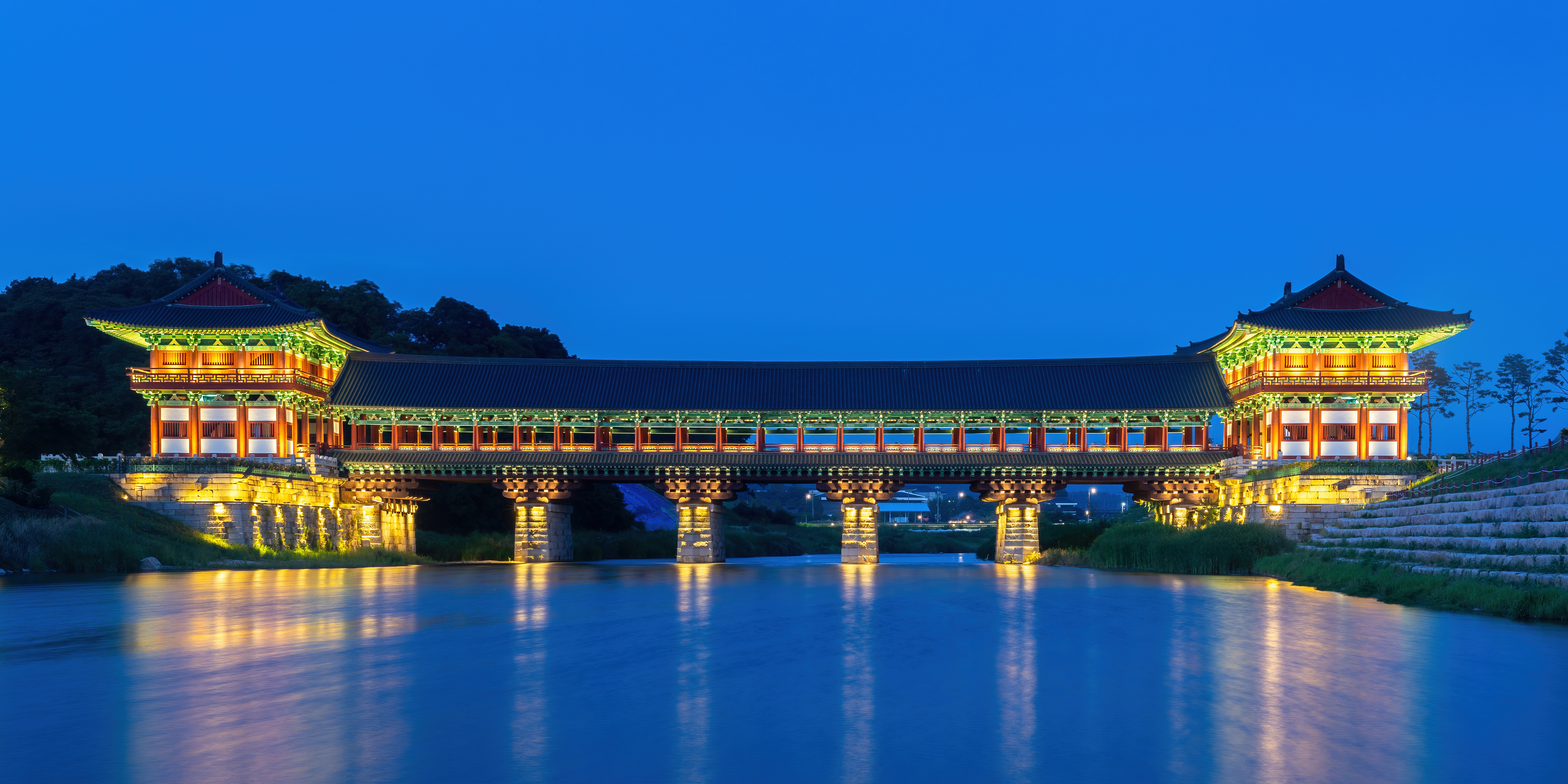
Photo: “Illuminated Woljeonggyo Bridge at blue hour in Gyeongju South Korea” by Basile Morin, via Wikimedia Commons, licensed under CC BY-SA 4.0.



Leave a Reply