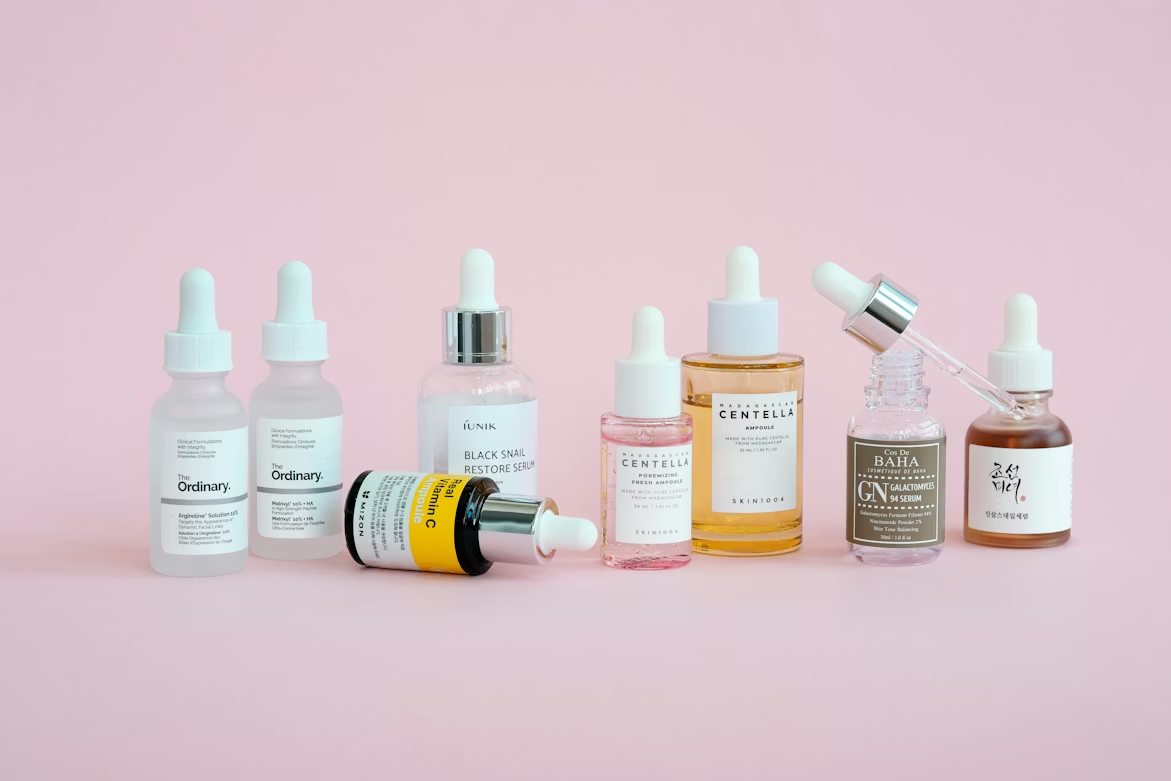
As beauty culture continues to globalize, South Korea’s influence in skincare and makeup remains a dominant force shaping consumer expectations and industry innovation in 2026. Far from the “glass skin” ubiquity that defined much of the past decade, K-beauty is now evolving toward science-led formulations, personalization driven by data and tech, and wellness-inflected beauty that blurs the line between routine and self-care.
Where K-Beauty Is Headed in 2026
Historically, Korean beauty trends have led with hydration, luminosity, and multi-step routines. In 2026, however, industry experts and market data point to a nuanced shift: innovation isn’t just about visible glow anymore but about skin health, ingredient efficacy, and tailored approaches that mirror broader wellness culture.
The trends for this year reflect a deeper, more sophisticated stage of K-beauty evolution—one where skincare and makeup are both tools for empowerment rather than performance alone.
Key Details & Highlights
1. Science-Driven Skincare Takes Center Stage
Skincare formulas are increasingly grounded in clinical science and functional performance. Ingredients like exosomes, peptides, neurocosmetics, and barrier-supporting actives are predicted to gain traction, challenging the traditional focus on glow alone. This reflects a consumer shift toward results-oriented products that deliver measurable benefits without compromising skin integrity.
Concurrently, ingredient transparency and consumer education are rising priorities. Beauty insiders emphasize that 2026 will be a year in which users not only seek products that work but also understand why they work—expanding conversations about actives like PDRN, snail mucin, and emerging biotechnologies.
2. Minimalist Routines, Maximum Impact
Despite the legacy of multi-step skincare routines, a countertrend toward highly efficient minimalism is emerging. Instead of layering numerous products, consumers are gravitating toward hybrid formulations and multi-purpose actives that streamline routines without sacrificing function. This minimalist ethos—driven by data from millions of consumer reviews—reflects a broader cultural lean toward efficiency and simplicity.
3. Sensory Innovation & Heightened Consumer Experience
Products engaging multiple senses—through texture, temperature, and even emotional resonance—are part of what analysts term hyper-sensory care. Cooling scalp treatments, calming textures for sensitive skin, and sensorial hair products are on the rise as brands rethink what experience means in everyday beauty.
4. Personalization Meets Tech
With digital tools and AI integration becoming more accessible, tailored beauty solutions are being baked into product experiences. Whether through virtual consultations, skin profiling tools, or algorithm-driven recommendations, Korean beauty shoppers are embracing personalization on a deeper level, effectively customizing routines to address individual concerns and lifestyles.
Industry & Cultural Context
South Korea’s beauty industry is entering a formational phase that blends tradition with innovation. After a decade of dominating global skincare with sugary aesthetics like “glass skin,” the industry is pivoting toward a holistic conception of beauty that incorporates wellness, preventative care, and a scientific lexicon once reserved for clinical spaces.
This evolution is occurring alongside broader cultural shifts. Domestic consumers in Korea and global audiences alike are becoming more ingredient-literate and skeptical of surface-level marketing. Meanwhile, the expansion of Korean beauty into global retail—spanning Europe, the Americas, the Middle East, and Latin America—signifies a strategic maturation of the industry.
These developments reflect a marketplace that is no longer reactive but anticipatory, crafting products that speak to nuanced consumer needs rather than chasing a single aesthetic trend.
What Makes This Moment Stand Out
What distinguishes the current moment in K-beauty is intentionality. Gone are the days when drama (ultra-dewy skin or viral makeup looks) alone drove trends. Instead, 2026 is about purposeful beauty—products with defined outcomes, transparent ingredients backed by research, and routines designed for lifelong skin health and confidence.
Consumers are not just buying products; they are investing in a sensibility that integrates beauty with self-care, performance, and personalization. This shift is reshaping how Korean brands craft narratives, design formulas, and engage audiences.
What to Expect Next
Deeper Integration of Wellness & Beauty: Expect to see skin health metrics (like barrier support and microbiome balance) become common marketing claims backed by clinical data.
More Biotech Optimization: Biotechnology and regenerative skincare will increasingly appear in mainstream lines—not just niche clinical collections.
Growth in Men’s Grooming: Historically under-represented in Korean beauty, men’s grooming and skincare are gaining traction, driven in part by celebrity influence and cultural shifts in masculinity.
Localized Consumer Experiences: As K-beauty expands globally, expect region-specific innovations tailored to environmental concerns (e.g., humidity, pollution) and local skincare needs.
In sum, 2026 positions Korean beauty not merely as trendsetter but as a thought leader in the global beauty conversation—one that bridges cutting-edge science, cultural nuance, and transformative self-care rituals.




Leave a Reply