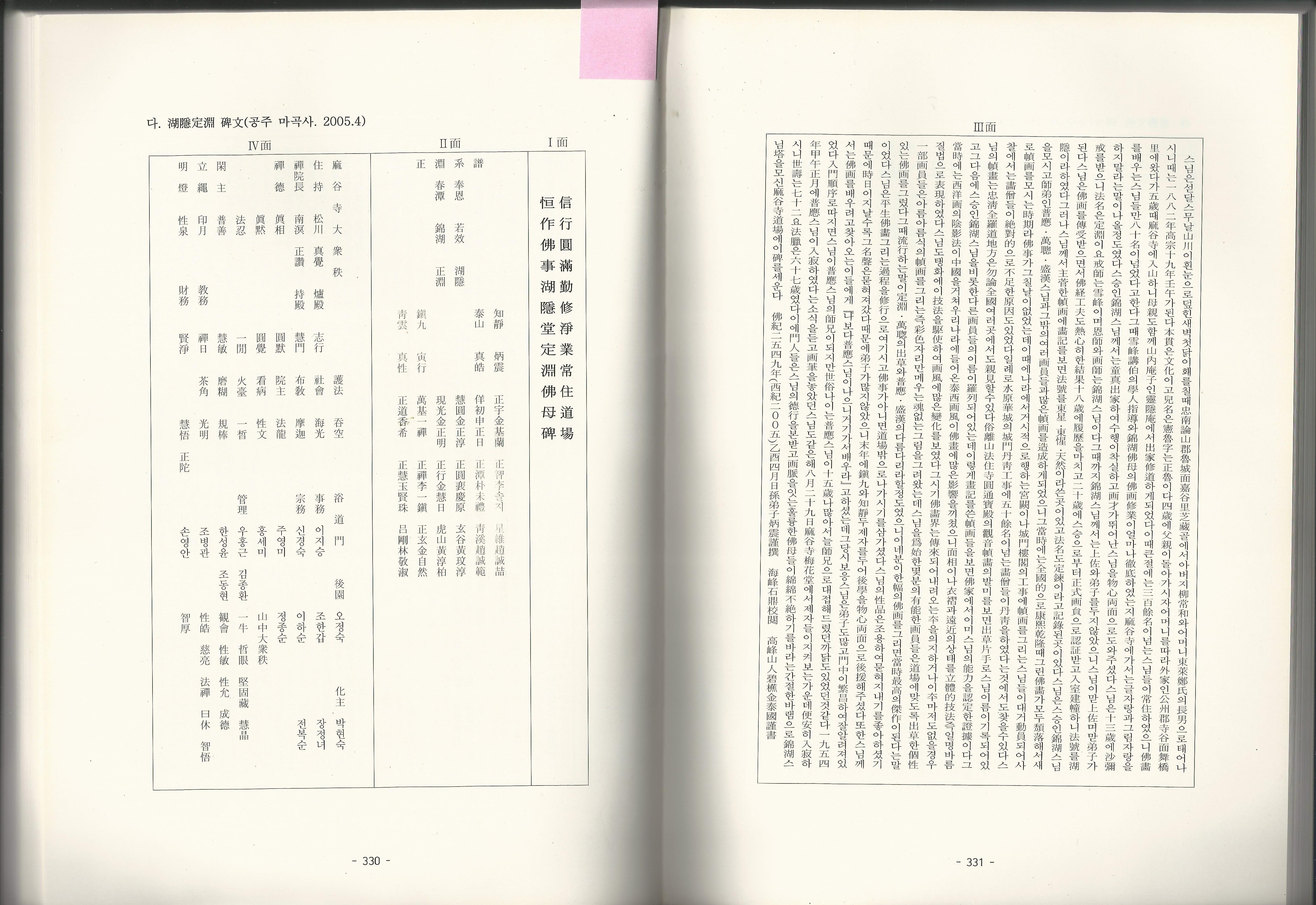
Korea’s traditional family genealogies have long centered male lineage. Now, scholars and public-history writers are revisiting jokbo as records that also reveal how women were minimized, obscured, or left out of family memory.
For centuries, Korea’s jokbo — formal family genealogies — helped define lineage, inheritance, status, and memory. But like many historical records shaped by Confucian patriarchy, they were built to privilege the male line. Women were often reduced to a surname, attached to a husband’s or father’s family, or omitted from the fuller story of kinship altogether.
Now, Korean scholars and public-history writers are revisiting those records with a different question: not just who was included, but how they were included, and who was left at the margins.
This is not yet a major mainstream news issue in the way elections, real estate, or entertainment controversies are. The conversation is showing up more clearly in scholarship, book coverage, and public-history discussion than in daily headline reporting. But that makes it no less significant. In many ways, it reflects a deeper cultural shift in how Koreans are re-reading the past.
One of the clearest examples comes from recent Korean-language coverage of The Everyday Lives of Joseon Women. The article describes Joseon society as one structured around patrilineal continuity, where family succession and public authority were centered on men. It also notes that the book draws on sources including diaries, letters, petitions, lawsuits, and jokbo to reconstruct women’s everyday lives — lives that were often obscured by male-centered historical records.
That point matters because it changes what a genealogy is understood to be. Jokbo has traditionally been seen as a family archive: a record of descent, belonging, and legitimacy. But once scholars start asking whose names were minimized, whose stories were flattened, and which family ties counted enough to be preserved, genealogy stops looking neutral. It begins to look like a record of power.
In that sense, the emerging discussion around jokbo is about more than adding women’s names more visibly to an old family tree. It is about confronting the way heritage itself has been organized. If a family record defines identity through the father’s line, then it also defines whose memory matters most.
That question connects to a much broader shift in Korean women’s history. Over the past several years, more Korean writers and researchers have focused on women not simply as supporting figures in male-centered narratives, but as active historical subjects. Books and essays revisiting women’s labor, social struggles, and everyday lives are part of a larger effort to read the archive against the grain. Within that movement, jokbo becomes one more place where historical silence can be examined rather than accepted.
The cultural stakes are larger than they may first appear. Family records do not just preserve names; they shape how people understand origin, legitimacy, and belonging. Whoever appears clearly in the record is remembered as central. Whoever appears faintly — or not at all — can become secondary in family memory, no matter how essential they were to lived experience.
That is why the debate resonates beyond academia. Reconsidering jokbo raises questions modern families still recognize: should heritage continue to be narrated primarily through men? Can historical records be read more inclusively without erasing the realities of the world that produced them? And what does it mean to modernize family memory while still acknowledging its patriarchal foundations?
The most careful interpretation is also the most accurate one. Korea is not, at least not yet, in the middle of a sweeping nationwide movement to rewrite jokbo in formal institutional terms. But scholars and cultural commentators are increasingly re-reading genealogies and related records to recover women’s identities and challenge male-centered understandings of family history.
That may sound like a subtle shift. In practice, it is not. Once people start questioning who was counted in the family line, they are also questioning how the line itself was defined.
For now, that is where the story sits: not as a mass policy campaign, but as a meaningful re-examination of heritage, archive, and gender. Jokbo once helped tell Korean families who belonged in the family line. The growing question is whether that line was ever complete to begin with.
“조성철 족보(계보) 금어 금용일섭 연보중,” by MetaMasterOne, via Wikimedia Commons, licensed under CC BY-SA 4.0.


Leave a Reply