Introduction to the Fashion Topic
This year’s Grammy Awards didn’t just make headlines for music—it sent ripples through the fashion world. On the red carpet of one of the year’s most visible cultural stages, a trio of rising voices connected to the K-pop franchise Kpop Demon Hunters used fashion as a medium of personal and cultural expression. Their stylized looks encapsulated the ongoing convergence of Korean identity, global fashion influence, and individual narrative. Rather than simply “dressing up,” these artists—whose work on the soundtrack for the film Kpop Demon Hunters: HUNTR/X has garnered critical recognition—translated heritage and heritage narratives into sartorial language that resonated beyond the show itself.
Key Details or Highlights
At the Grammy Awards 2026 red carpet, three performers—Audrey Nuna, Ejae, and Rei Ami—each wore distinct fashion statements that drew attention for their conceptual depth.
- Audrey Nuna chose a bespoke couture look that honored her family’s immigrant history in the garment industry, linking her personal lineage with the wider narrative of fashion production and labor.
- Rei Ami’s outfit incorporated symbols drawn from Korean cultural heritage—most notably the mugunghwa, or Korean national flower—embedding motifs of resilience and rebirth into the silhouette and materials of her attire.
- Ejae’s look blended traditional and contemporary cues to reflect her bicultural identity, creating a visual dialogue between her Korean roots and broader global fashion aesthetics.
These red carpet moments were paired with broader significance: the group’s involvement with the Grammy-winning song Golden marked the first time a K-pop–linked track took home the Best Song Written for Visual Media award.
Industry and Cultural Context
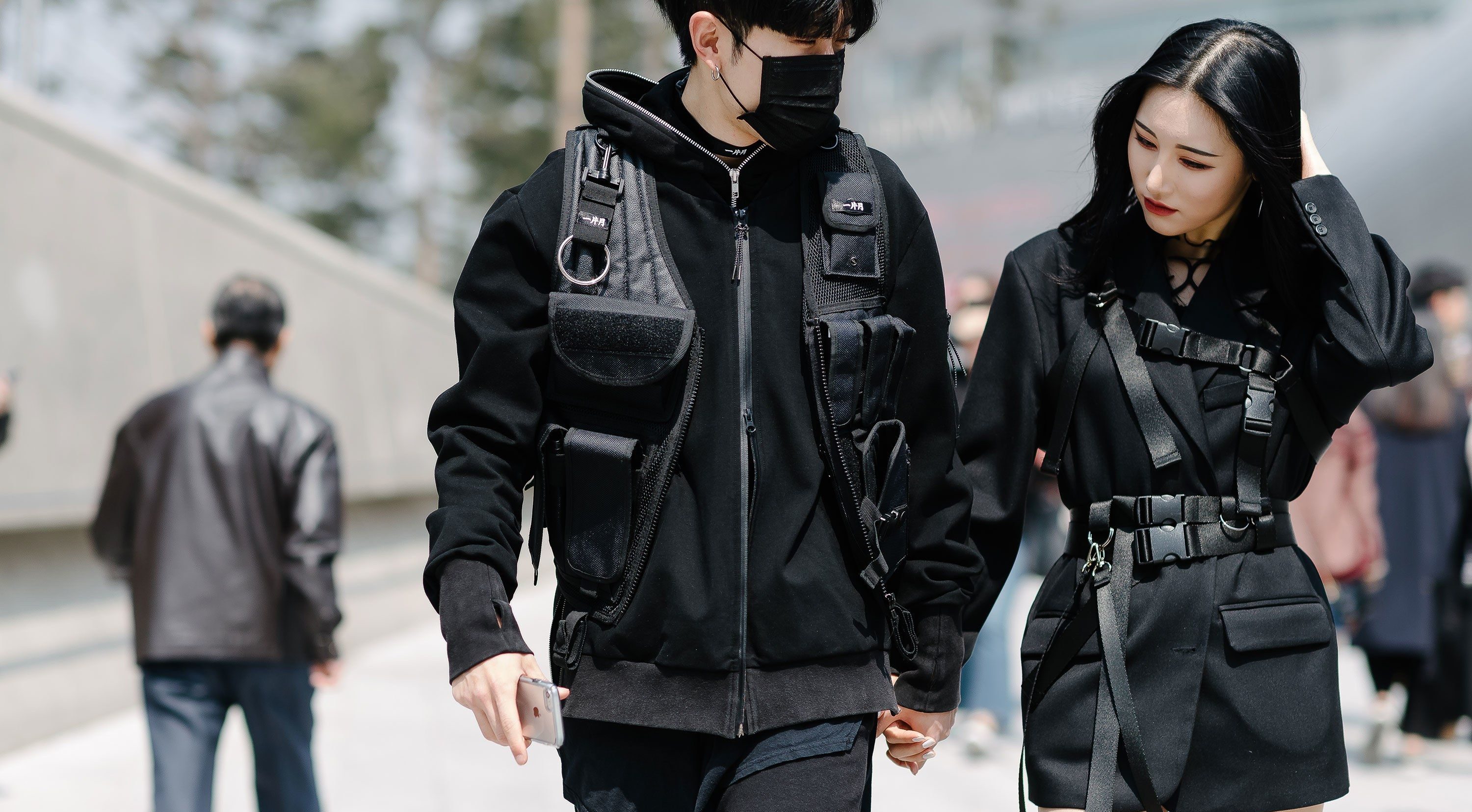
Fashion’s role at awards shows has long been about spectacle, but in recent years it’s increasingly become a platform for identity, commentary, and cultural celebration. Seoul’s fashion ecosystem—rooted in the convergence of street style, high fashion, and pop-culture influence—has steadily gained global recognition, injecting fresh energy into runway thinking, celebrity style, and mainstream fashion coverage alike. South Korean designers and style authorities have redefined contemporary aesthetics by blending utility, cultural reference, and innovation, helping propel Korean fashion from niche appeal to international prominence throughout the 2020s.
This broader context makes moments like the 2026 Grammys especially meaningful. They aren’t just celebrity fashion choices; they are statements about belonging, representation, and visibility in an industry still grappling with cultural gatekeeping. Korean fashion’s ascent—bolstered by the global machinery of K-pop and social media—has opened space for nuanced interpretation and agency in style.
Why This Moment Stands Out
What distinguishes this particular set of fashion moments is their narrative integration. It’s no longer enough to wear a noteworthy brand or trend; style is used deliberately to convey personal and cultural stories. Audrey Nuna’s homage to her grandfather’s immigrant work in clothing manufacturing turns a couture gown into a statement about craft and lineage. Rei Ami’s use of cultural symbols reframes red carpet fashion as a continuation of heritage expression, bridging pageant and protest, past and present. And Ejae’s blending of aesthetics underscores how young Korean-American creatives are shaping their own style lexicon—one that speaks to hybrid identity without dilution.
This emphasis on narrative is reflective of a broader fashion movement in Korea and beyond: consumers and creators alike are prioritizing meaning over mere brand recognition. In a global landscape where fashion is increasingly instantaneous and democratized via platforms like TikTok and Instagram, moments that carry emotional or cultural weight tend to resonate deeper and longer.
What to Expect Next
Looking ahead, this intersection of Korean cultural identity and global fashion visibility is likely to expand. As more Korean artists, designers, and influencers gain platforms on major international stages—from award shows to fashion weeks—expect fashion commentary to evolve in tandem. Rather than isolated “statement looks,” we are likely to see storytelling fashion: curated choices that reflect heritage, personal narrative, community ties, and social commentary.
Meanwhile, Korean designers and brands, buoyed by the cumulative impact of repeated high-profile moments, will continue to innovate and influence. Korea’s fashion influence is already visible in runways from Seoul to Paris and in the street style that circulates globally through digital channels. These cultural exchanges suggest that fashion in 2026 and beyond will keep shifting toward inclusivity of narrative and hybridity of influence—where global trends and local identities converge dynamically on the world stage.



Leave a Reply