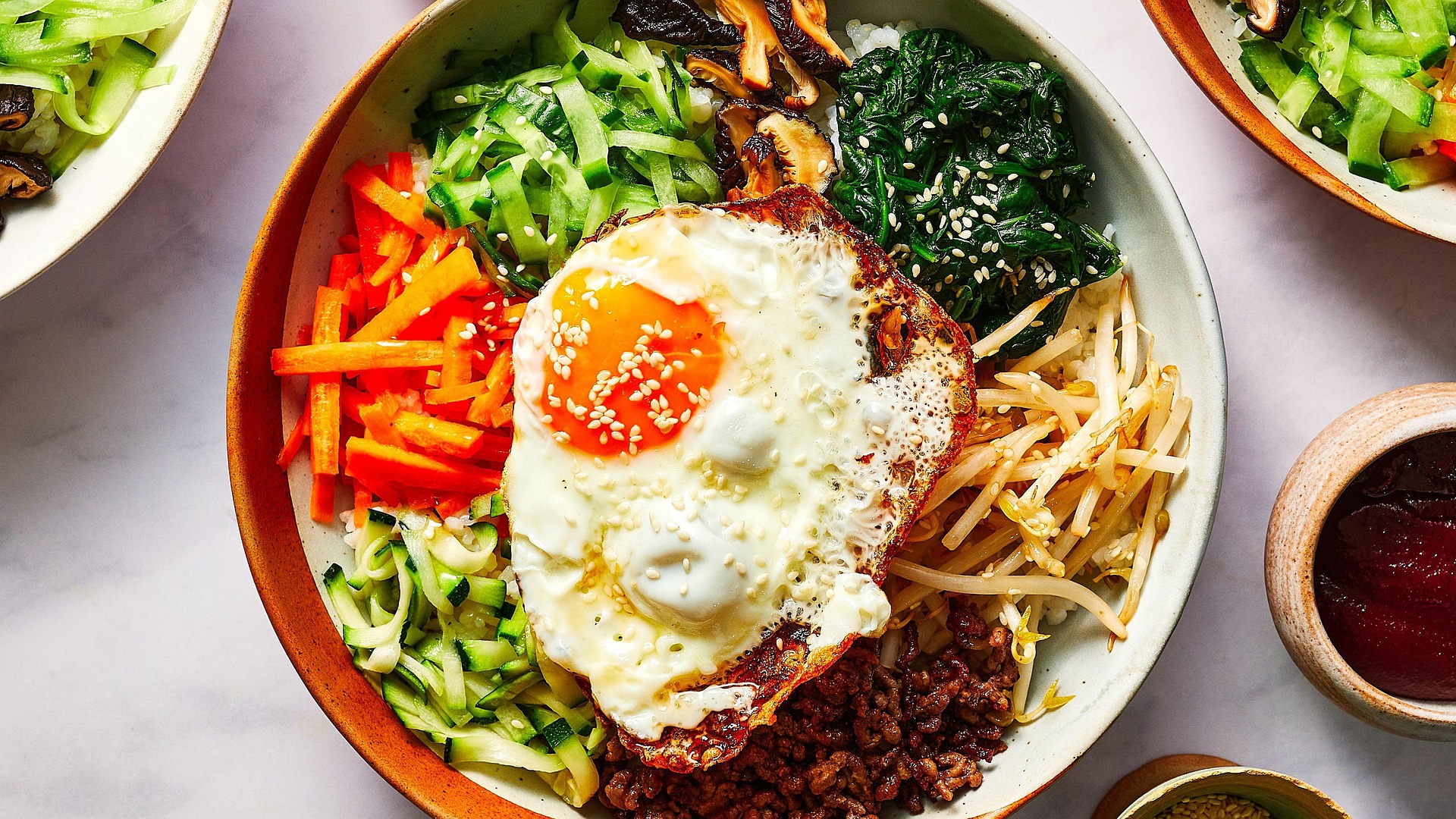
A Street-Food Renaissance
Today, Korean street food isn’t just an afterthought to sit-down dining — it has swiftly become one of the most talked-about culinary movements in global food culture. More than viral TikTok snacks, these portable, bold, and deeply cultural bites are driving a renaissance in how Korean cuisine is enjoyed, adapted, and shared around the world. From tteokbokki’s fiery drag to nostalgic dalgona candy, Korean street food has transcended its traditional role to become a defining force in both local and international food scenes.
Cultural and Historical Background
Street food in Korea has deep historical roots dating back centuries, with portable foods like rice cakes, grilled skewers, and pancakes emerging as convenient sustenance for workers, travelers, and market-goers during the Joseon Dynasty. Vendors offered quick, affordable bites that fit the bustling pace of urban life — a tradition that would evolve dramatically with Korea’s modern economic surge in the 20th century.
In contemporary Korean culture, street food sits at the intersection of nostalgia and innovation. Iconic dishes like tteokbokki (spicy rice cakes), gimbap (rice and fillings rolled in seaweed), and both sweet and savory pancakes reflect centuries of culinary practice, while newer creations like croffles (croissant/waffle hybrids) and fusion skewers embody a generation redefining what Korean food can be.
Why It Is Gaining Attention Now
Several converging forces have propelled Korean street food into the spotlight:
1. Hallyu and Digital Culture: Korean pop culture — from K-pop to dramas — continues to draw global fascination, with food moments frequently featured in media and social content. Dishes seen on screen are shared, recreated, and celebrated, boosting interest in authentic Korean flavors.
2. Shareability and Visual Appeal: Street food’s aesthetic — colorful, interactive, and snackable — plays perfectly with Instagram, TikTok, and other visual platforms, inviting global audiences to engage with Korean food beyond traditional restaurant settings.
3. Menu Strategy & Market Growth: Korean cuisine’s expansion isn’t random or fleeting. Across global markets, food brands and restaurants are integrating Korean street-food formats into menus, while ready-to-eat products and quick-service iterations give consumers easier access to these flavors.
4. Urban Food Culture Trends: Younger food lovers increasingly seek convenience without sacrificing cultural depth or flavor authenticity. Street food — often inexpensive, bold, and rooted in community tradition — meets this demand more directly than many formal dining experiences.
Public and Global Response
Reaction to Korean street food’s rise has been enthusiastic and widespread:
Global Taste Adoption: From Seoul’s night markets to pop-up markets in New York and London, international diners are embracing Korean street food with gusto. Dishes that once signaled niche ethnic dining — like tteokbokki, gyeran-ppang (egg bread), and sweet hotteok — are now familiar staples at food festivals, casual eateries, and global food halls.
Culinary Innovation: Chefs and food entrepreneurs are remixing Korean street food with local flavors. Examples include cheese-topped rice cakes in the U.S. and gourmet street-food fusions in Europe that blend Korean techniques with regional ingredients. This creative remix signals cultural dialogue rather than surface-level fusion.
Consumer Curiosity: Market research shows rising interest in bold Korean flavors such as gochujang and kimchi in broader food categories like snacks, sauces, and ready meals — underscoring that Korean tastes are influencing global flavor palettes, not just dining habits.
Broader Impact on Korean Food Culture
The global rise of Korean street food speaks to something deeper than trends: a cultural expression of resilience, identity, and adaptability. This influence has several lasting impacts:
1. Culinary Representation: Street food has become an accessible ambassador for hansik (Korean cuisine), demystifying complex flavors through approachable, handheld experiences. It invites people into Korean food culture with low barriers to entry.
2. Inspiration for Innovation: The popularity of street food inspires chefs in Korea and abroad to innovate while honoring tradition — whether that’s premium versions of classic dishes or modern interpretations that respect core flavor profiles.
3. Economic and Cultural Exchange: As Korean foods become staples in supermarkets and restaurant menus globally, the cultural exchange fosters mutual appreciation. This shift indicates that Korean cuisine is not a passing fad but a lasting culinary influence with roots in history and branches spreading worldwide.
Conclusion
Korean street food’s rise is more than a viral moment — it’s a testament to culinary resilience and cultural vibrancy. Rooted in centuries-old traditions and propelled by global digital culture, these dishes have found a place in urban centers and hearts around the world. As street food continues shaping menus, media, and consumer tastes, it reinforces Korean cuisine’s role on the world food stage — one bite at a time.




Leave a Reply