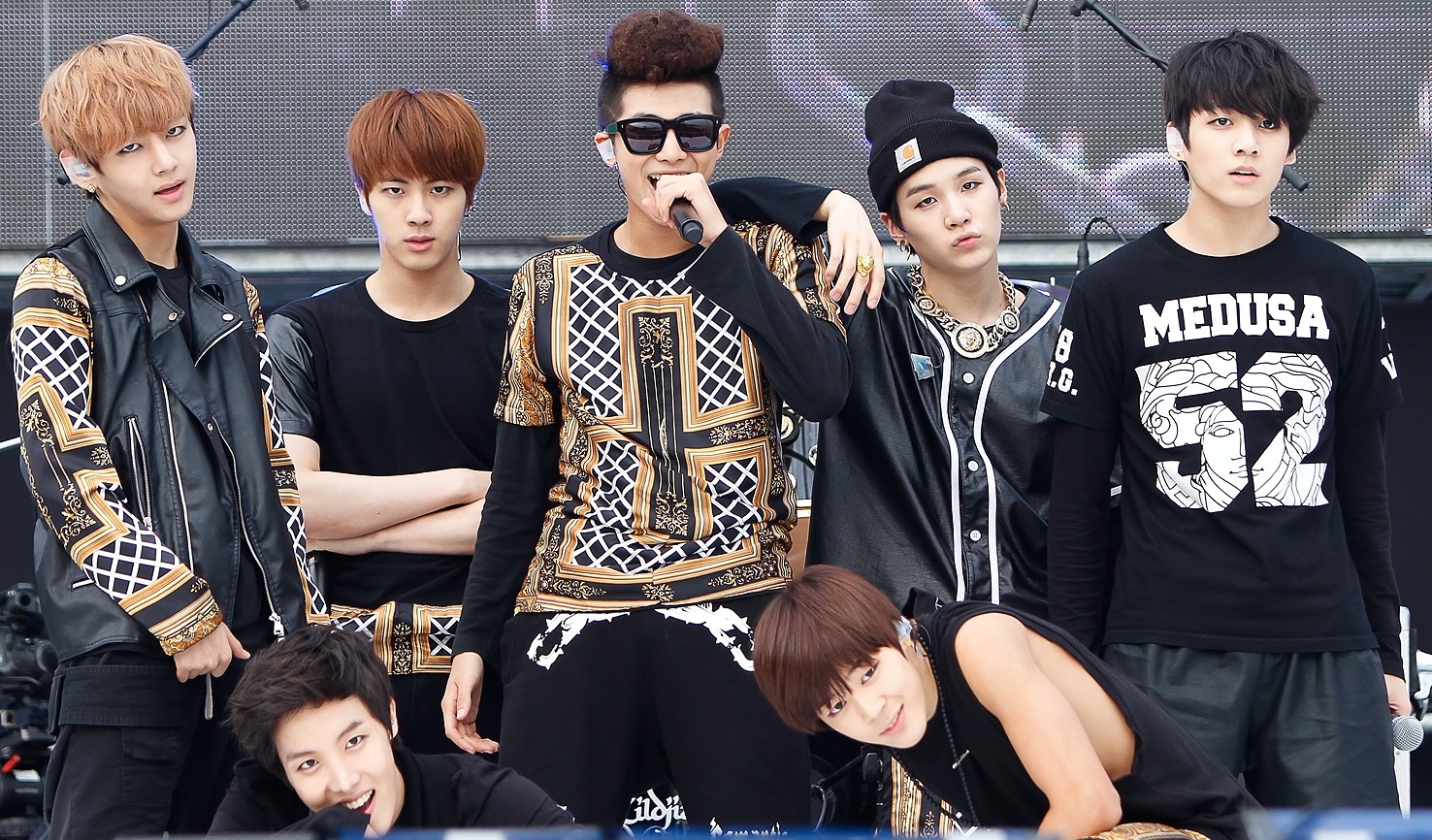
After nearly four years on hiatus for mandatory military service, BTS is staging one of the biggest comebacks in K-pop history with their Arirang album and a globe-spanning world tour set to begin in spring 2026. Their return isn’t just a commercial event, it’s the centerpiece of a broader surge in high-profile K-pop activity this year — including major releases from BLACKPINK, chart-topping performances from acts like ENHYPEN, and historic industry recognition at global awards shows. This confluence of events signals both the genre’s deepening global influence and a potential reshaping of competitive dynamics within K-pop and the wider pop music market.
Background on BTS and 2026 Context:
BTS — comprising RM, Jin, Suga, j-hope, Jimin, V, and Jungkook — debuted in 2013 and quickly grew into the most globally successful K-pop act of its generation. Their fusion of pop, hip-hop, and socially aware songwriting, paired with relentless touring and a deeply engaged global fanbase, ARMY, helped them top charts worldwide well before their military hiatus began in 2022.
While individual members pursued solo projects with notable success — including Billboard chart records and international collaborations — the group collectively paused activities to fulfill South Korea’s mandatory military service requirement. With this commitment now complete, BTS confirmed a new full-group album, Arirang, slated for release on March 20, 2026, marking their first significant studio release since 2022.
Key Details of the Arirang Announcement and Tour:
The Arirang era represents a coordinated relaunch strategy: a studio album release paired with an extensive world tour. This campaign is structured to span multiple continents with hundreds of performances scheduled between April 2026 and March 2027, underscoring the group’s commercial scale and ambition. Industry projections suggest this tour alone could generate over a billion dollars in combined revenue from ticket sales, merchandise, and music releases.
In addition to BTS’s return, other marquee K-pop players are active: BLACKPINK has unveiled concept imagery for their upcoming mini album Deadline, teasing fresh creative energy and a new visual era following their global touring cycle. Meanwhile, acts like ENHYPEN have achieved strong chart performance with recent releases (e.g., THE SIN: VANISH debuting at No. 1 on key sales charts), signaling that both veteran and newer groups are gaining or sustaining momentum.
Fan and Market Response (Generalized):
Collectively, fans and market watchers view BTS’s comeback as the defining K-pop event of 2026. Pre-orders and social-media engagement levels around Arirang suggest expectations of record-breaking sales; wristbands, streaming playlists, and related metrics trending around the album’s rollout are consistent with the group’s historic commercial footprint. Across broader fandoms, the simultaneous activity of BLACKPINK, ENHYPEN, and others feeds into narratives of 2026 as a renaissance year for K-pop, amplifying global anticipation for new music and performances. This shared excitement also plays into secondary markets — from concert travel to fashion tie-ins — reflecting K-pop’s deep cultural penetration.
Industry analysts note that strong chart and touring demand for these acts reinforces K-pop’s commercial viability outside South Korea. Advertisers, festival promoters, and streaming services appear keen to capitalize on this wave, aligning promotional strategies around both established and rising artists.
What This Means Going Forward:
BTS’s Arirang comeback and the concentration of major K-pop activity in 2026 have several long-term implications:
- Commercial Consolidation: BTS’s global reach and multi-continent touring schedule exemplify a mature K-pop export model — one where a group can reliably drive multi-market revenue streams across music, merchandise, and live events. This model will likely inform strategies for both veteran acts and newer artists aiming for global market share.
- Competitive Momentum: As BLACKPINK and other groups like ENHYPEN deliver high-impact releases, competition within K-pop is intensifying. A cycle where multiple elites release concurrently helps maintain audience engagement year-round rather than in isolated waves.
- Genre Positioning in Global Music: Historic milestones — such as K-pop tracks winning major awards or topping charts in diverse territories — indicate widening acceptance of the genre beyond niche or diaspora markets. This shift enhances K-pop’s negotiation power with global labels, promoters, and platform partners.
- Future Fan Dynamics: Enhanced fan expectations around production quality, storytelling, and cross-platform experiences could drive innovation in how content is delivered — from immersive concerts to augmented reality tie-ins and bespoke fan engagement models.
In sum, the Arirang era and broader activity of 2026 are likely to be remembered as a watershed period in K-pop’s ongoing evolution from a regional powerhouse to a sustained global mainstream force.
Image: BTS performing in 2013 — licensed CC BY 4.0 via Wikimedia Commons.




Leave a Reply